 blog
Is Renting Equipment for Industrial Maintenance Worth It?
Table of Contents
- Why Maintenance Teams Rent Equipment Instead of Buying It
- Comparing Industrial Maintenance Equipment Rental Options
- Planning Maintenance Downtime Around Equipment Availability
- What to Check in an Equipment Rental Agreement
- Safety, Compliance and Operator Requirements for Rented Equipment
- When Outsourcing Industrial Maintenance Makes Sense
- Requesting a Quote and Equipment Plan From Hoke Rentals
- Frequently Asked Questions
Last Updated: November 7, 2026
Renting equipment for industrial maintenance can cut capital costs, keep crews working on the right tools, and avoid tying up cash in machines that sit idle between jobs. This guide explains how maintenance managers decide between renting and owning, what to compare when choosing a rental, and what to check before signing an agreement. The answer depends on how often you need the equipment, how long you need it, and how quickly you need it on site.
Why Maintenance Teams Rent Equipment Instead of Buying It
Most maintenance teams rent when the equipment is needed for a specific job, a short window, or a seasonal peak. Owning makes sense only when the machine is used steadily enough to justify its purchase price, storage, insurance, inspection, and repair costs.
Renting also shifts maintenance responsibility for the machine itself to the provider in most agreements. Confirm that point in writing, because terms vary.
Watch out: a rental that arrives late or without the right attachments can stall a shutdown. Confirm delivery windows and equipment specifications before the job is scheduled, not on the morning it starts.
As a general rule, if a machine will sit unused for much of the year, renting is often the more economical route. If it runs most weeks, compare the total cost of ownership against the cumulative rental cost over the same period.
Comparing Industrial Maintenance Equipment Rental Options
Most rental listings show a photo, a daily rate, and a phone number. That is not enough to make a maintenance decision. Compare providers on the same six criteria, using the same job specification, so quotes are directly comparable and you are not comparing a bare daily rate against a bundled weekly package.
Equipment Specifications and Application Fit
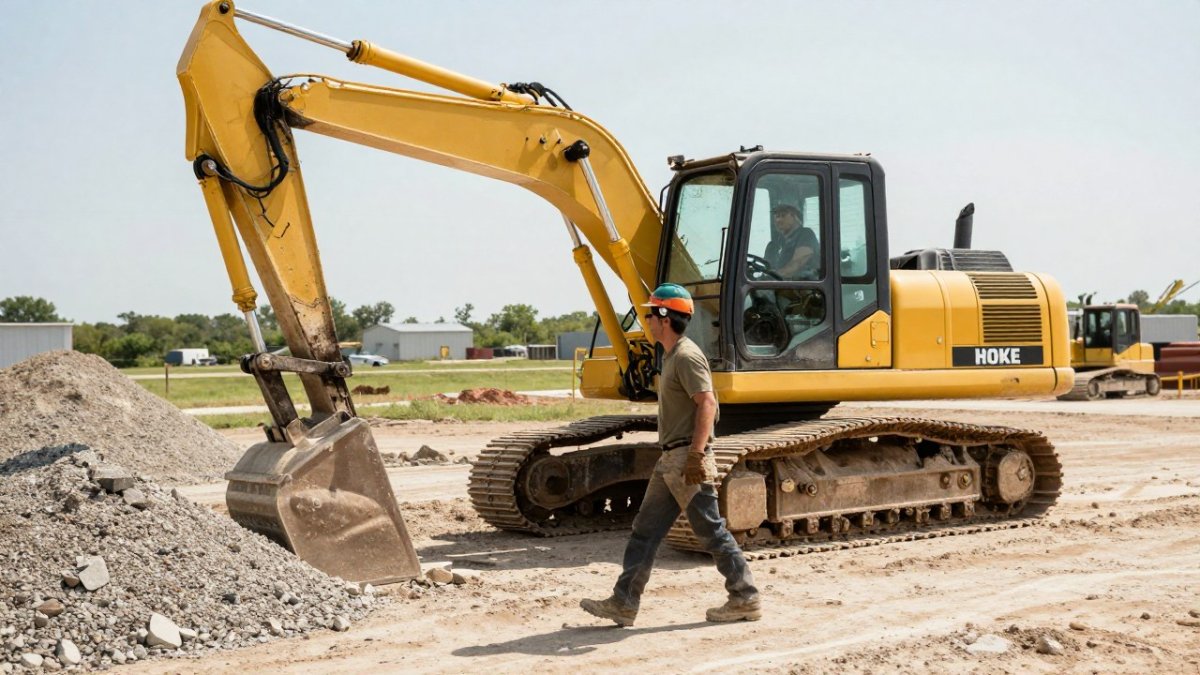
Start with the job. Document the reach, load capacity, working height, power source, and site access constraints before you call anyone, then check whether each candidate machine fits those requirements with margin to spare.
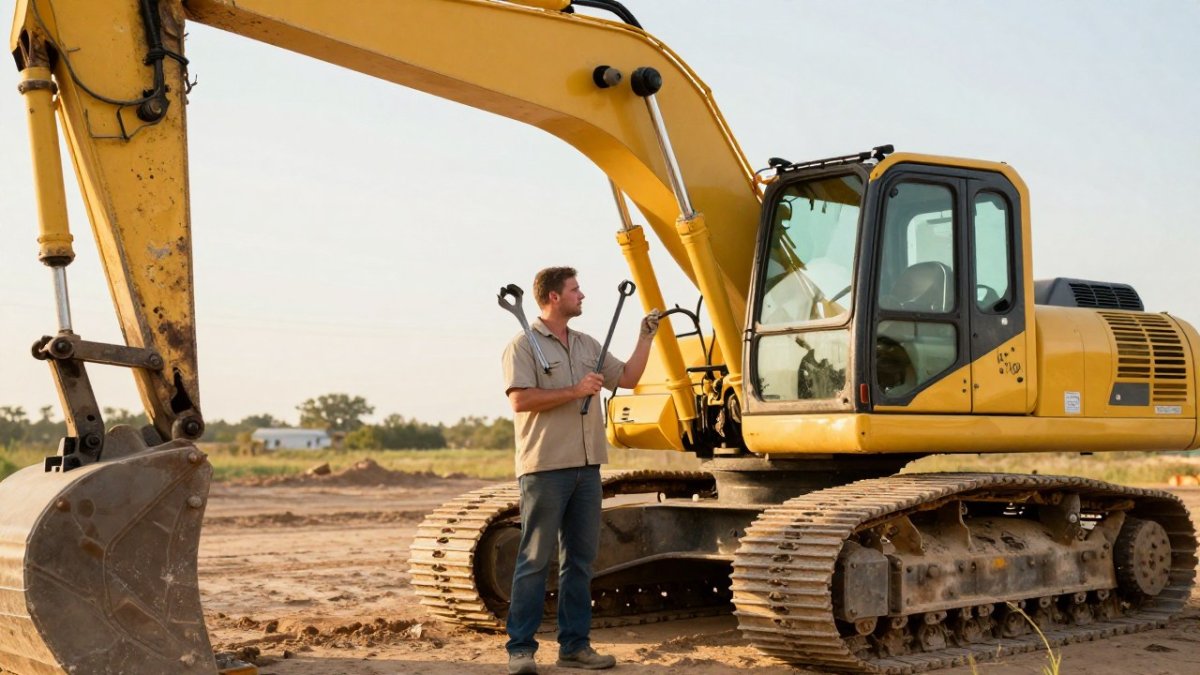
A machine that barely meets the requirement often causes problems in practice. Tight access, uneven ground, or an unexpected load can turn a suitable machine into an unsuitable one. Ask the rental provider whether the unit has been maintained and inspected to the standard your site requires, and request the inspection record for the specific unit you will receive.
Match the power source to the environment, since exhaust, indoor use, and outdoor demand all affect which power type suits a job. Confirm whether the charger or fuel arrangement is included with the rental.
Total Rental Cost and Fee Transparency
Rental quotes are rarely just the daily or weekly rate. Ask for a full breakdown that includes delivery and pickup, minimum rental periods, fuel or charging, damage waivers, operator fees if applicable, and any late return charges. A lower daily rate can cost more once the extras are added.
Ask the provider to quote both daily and weekly rates and show the crossover point, since longer rental periods often lower the effective daily cost.
Pricing depends on quantity, rental dates, delivery distance, and equipment type. Contact Hoke Rentals directly or visit the website for current prices or a quote tailored to your job.
Availability, Delivery, and Emergency Response
Industrial maintenance often depends on minimizing downtime, so availability is a scheduling question as much as a price question. Ask every provider what equipment is in local inventory, what delivery windows are guaranteed, and what happens if a machine fails mid-job.
Confirm availability early for peak periods such as spring and fall turnarounds, when demand for equipment typically rises. Ask the provider what happens if a machine fails during use and how quickly a replacement can reach the site.
Safety, Compliance, and Operator Requirements
Rented equipment still has to meet your site's safety program. Ask whether the provider supplies inspection records, whether the unit comes with the required operator manuals, and whether the provider offers familiarization on the specific model.
Industrial Versus Residential Maintenance Needs
Industrial maintenance rental is not the same as residential property maintenance. Industrial work typically involves heavier equipment, stricter inspection and documentation requirements, tighter shutdown windows, and site-access constraints. If a provider's listings read like homeowner tool rentals, ask directly whether they support industrial accounts, after-hours delivery, and replacement-equipment policies.
The article lists six criteria for comparing rental providers on the same job specification.
| Criterion | What to check | Why it matters |
|---|---|---|
| Equipment specifications | Reach, load capacity, working height, power source, site access | Machine must fit requirements with margin |
| Total rental cost | Delivery, minimum periods, fuel, waivers, late returns | Lower daily rate can cost more overall |
| Availability and delivery | Local inventory, guaranteed windows, failure response | Downtime is the main cost to avoid |
| Safety and compliance | Inspection records, operator manuals, model familiarization | Rented equipment must meet site safety program |
| Industrial vs residential fit | Heavy equipment, documentation, after-hours delivery | Homeowner-style rentals may not suit industrial work |
Planning Maintenance Downtime Around Equipment Availability
Downtime is the cost most maintenance teams underestimate. Plan equipment delivery for the day before the shutdown begins where possible, so crews are not waiting on machines, and build a buffer at each end of the rental period to cover delays. To see how shutdown turnaround execution is handled for scheduled outages, review that page.
Confirm availability early for peak periods such as spring and fall turnarounds, when demand for lifts and generators rises across the region. Ask the provider what happens if a machine fails during use and how quickly a replacement can reach the site.
What to Check in an Equipment Rental Agreement
Read the rental agreement before the equipment leaves the site. Industrial agreements carry terms that residential rentals often do not, and the time to negotiate them is before the shutdown, not after a machine fails at 2 a.m.
Pay close attention to these points:
- Rental period start and end times, and the cost of extensions. Confirm whether the clock starts at pickup, at delivery, or at the scheduled job start, because a delivery delay should not consume your rental window.
- Responsibility for damage, breakdown, and theft, including any waivers. Ask what the damage waiver actually covers and what it excludes, such as tire damage, glass, or misuse.
- Fuel, charging, and cleaning requirements at return. Confirm the fuel level expected at return and whether a cleaning fee applies if the unit comes back dirty from a maintenance job.
- Insurance requirements for your business and the operator. Confirm any insurance certificate the provider requires and whether your existing policy meets it.
- Operator qualifications and training obligations. Confirm who is responsible for verifying training and whether the provider offers familiarization on the specific model.
- Cancellation and change terms if the shutdown moves. Shutdown dates shift; confirm the notice period for changes and whether a rescheduling fee applies.
- Replacement-equipment terms. Ask in writing how quickly a replacement unit will be dispatched if the rented machine fails, and whether the rental clock stops during the failure.
- Inspection and documentation at delivery. Confirm that the unit arrives with current inspection records and that you have the right to reject a unit that does not match the agreed specification.
If anything is unclear, ask for a written clarification before signing. Our FAQ page answers common questions about rental policies and terms.
Safety, Compliance and Operator Requirements for Rented Equipment
Operators must be trained and certified for the equipment they run. In the United States, the Occupational Safety and Health Administration (OSHA) sets requirements for powered industrial trucks, aerial lifts, and other equipment used in workplaces. OSHA standards for powered industrial trucks and aerial lifts
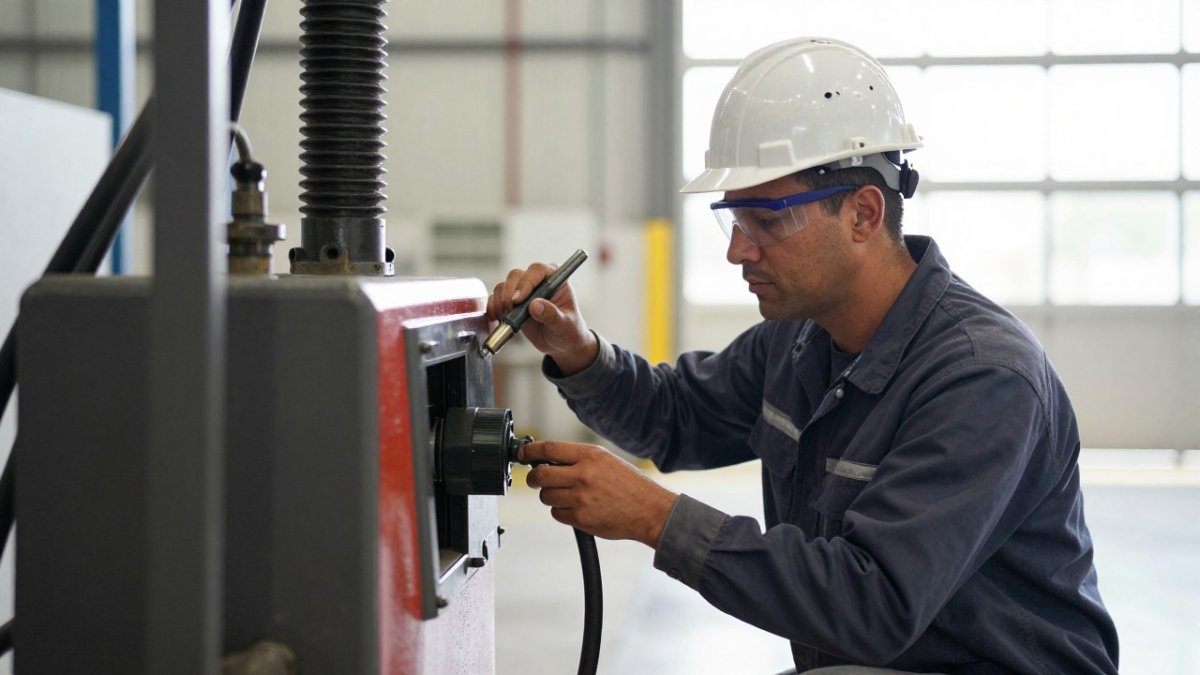
Your site safety program still applies to rented machines. Inspect each unit at delivery, confirm it has current documentation, and make sure the operator knows the controls and emergency stops before work begins. Our in-house safety department can support your site's safety and compliance requirements for rented equipment.
Watch out: an operator who has not been trained on the specific model is a serious risk, even if they are experienced on similar machines.
When Outsourcing Industrial Maintenance Makes Sense
Renting equipment is one decision. Outsourcing the maintenance work itself is another. Outsourcing usually makes sense when your in-house team lacks specialized skills, when a major shutdown exceeds your crew's capacity, or when you need coverage outside normal shifts. Routine work can often be handled by an outside maintenance provider on a scheduled basis, reducing the workload on your own staff. Learn more about our routine preventive maintenance service.
Requesting a Quote and Equipment Plan From Hoke Rentals
To get an accurate quote, send your job details: equipment type, required specifications, site location, rental dates, delivery address, and any operator needs. The more complete the request, the faster we can confirm availability and provide a clear cost breakdown.
Hoke Rentals supports contractors, businesses, and property owners across East Texas. Browse our equipment rentals to see what is currently available, or contact us directly to request a quote and an equipment plan built around your maintenance schedule.
Frequently Asked Questions
What equipment can be rented for industrial maintenance work?
The right equipment choice depends on the task, the facility layout and how long the equipment is needed. Before ordering, confirm the machine's rated capacity, power requirements and fuel type, and ask the provider whether delivery, setup and operator training are included. Matching the specification to the job helps prevent delays on site.
When should a business rent equipment instead of buying it?
Renting usually makes sense for short or irregular projects, for specialized machines used only a few times a year, or when capital is better spent elsewhere. Buying becomes more practical when a machine is needed most weeks of the year and the total rental cost over that period would exceed the purchase, maintenance and storage costs. Compare the full annual rental spend with ownership costs before deciding, and factor in downtime risk if a purchased unit breaks down.
What should an industrial equipment rental agreement include?
A solid rental agreement should state the rental period, daily, weekly and monthly rates, delivery and pickup fees, damage and loss responsibilities, fuel and cleaning charges, and the process for extensions or early returns. Confirm who handles routine maintenance during the rental and how breakdowns are reported and replaced. Pricing depends on quantity, dates and delivery, so request a written quote from Hoke Rentals for current rates.
How can equipment rentals reduce maintenance downtime?
Renting equipment can let a facility complete shutdown work without waiting for capital purchases. Reserving equipment before the planned outage and confirming availability in advance can help prevent delays. Ask providers about their emergency response times so a breakdown during a job does not stall the crew.