 blog
7 Facts About Hoke Rentals for Roadwork Projects
Quick Summary
Hoke Rentals offers hoke rentals for roadwork across East Texas, with construction and jobsite equipment for contractors, businesses, property owners and DIY customers. Pricing depends on quantity, dates and delivery, so you should contact Hoke Rentals for a quote tailored to your project.
- Match each machine to a roadwork phase, such as excavation, grading, base work or paving.
- Rent for the project's bottleneck rather than the average task.
- Hoke Rentals does not publish daily rates, so request an itemized quote.
- Ask whether delivery, pickup and fuel are included before you book.
- Confirm site access, gate widths and unloading areas before delivery is scheduled.
Table of Contents
- What Hoke Rentals Offers for Roadwork Projects
- Choosing Roadwork Equipment for Your Project Requirements
- Excavator Rental Cost Per Day and How Pricing Is Structured
- Can You Rent an Excavator for 2 Days?
- Short-Term and Long-Term Rental Terms for Road Projects
- Equipment Rental Delivery and Pickup at the Jobsite
- Roadwork Equipment Rental Checklist Before You Book
- Requesting a Quote from Hoke Rentals for Your Next Project
- Frequently Asked Questions
What Hoke Rentals Offers for Roadwork Projects
Last Updated: November 19, 2026
Roadwork rarely waits for paperwork. When a crew needs a machine on site Monday morning, the rental company it calls has to have the right equipment on hand, ready to go. Hoke Rentals serves contractors, businesses, property owners and DIY customers across East Texas, offering hoke rentals for roadwork with a growing selection of construction and jobsite equipment. You can browse the full range of rentable roadwork equipment before you choose. Our focus is on dependable machines, straightforward rentals and personal service.
Here is what you can expect when you rent from us for roadwork.
Pricing depends on quantity, dates and delivery. Visit the Hoke Rentals website or contact Hoke Rentals for current pricing and a quote tailored to your project.
Choosing Roadwork Equipment for Your Project Requirements
The right machine starts with the work itself, not the rental yard's inventory. Before you call for a quote, map the project into phases and match a machine to each phase. Most roadwork breaks down into clearing and excavation, grading and shaping, base and subbase work, paving and compaction, and traffic control and cleanup. Each phase has different reach, capacity, and footprint requirements, and renting one machine to cover two adjacent phases is often cheaper than renting two machines for short windows.
Work through these criteria in order:
- Task and phase: trenching, mass excavation, fine grading, loading trucks, spreading base, or compacting. A machine that excels at one phase can be inefficient at the next.
- Material and volume: soil, rock, milled asphalt, or aggregate. Hard material and high volume push you toward more breakout force and larger buckets; loose material favors cycle speed and reach.
- Depth and reach: measure the deepest cut and the farthest reach from a stable position. Confirm the machine's published digging depth and reach with margin, not at the limit.
- Site access: measure gate widths, lane closures, overhead lines, and turning radius. A compact excavator or skid steer may be the only machine that fits a shoulder or utility corridor.
- Ground conditions: soft ground, slopes, and pavement load limits affect machine weight and whether you need tracks instead of wheels.
- Duration and utilization: a machine that runs eight hours a day for two weeks justifies a larger unit; a two-day task usually does not.
- Operator skill: confirm who will run it and whether they have time on that specific class and control pattern.
Matching Machines to Roadwork Phases
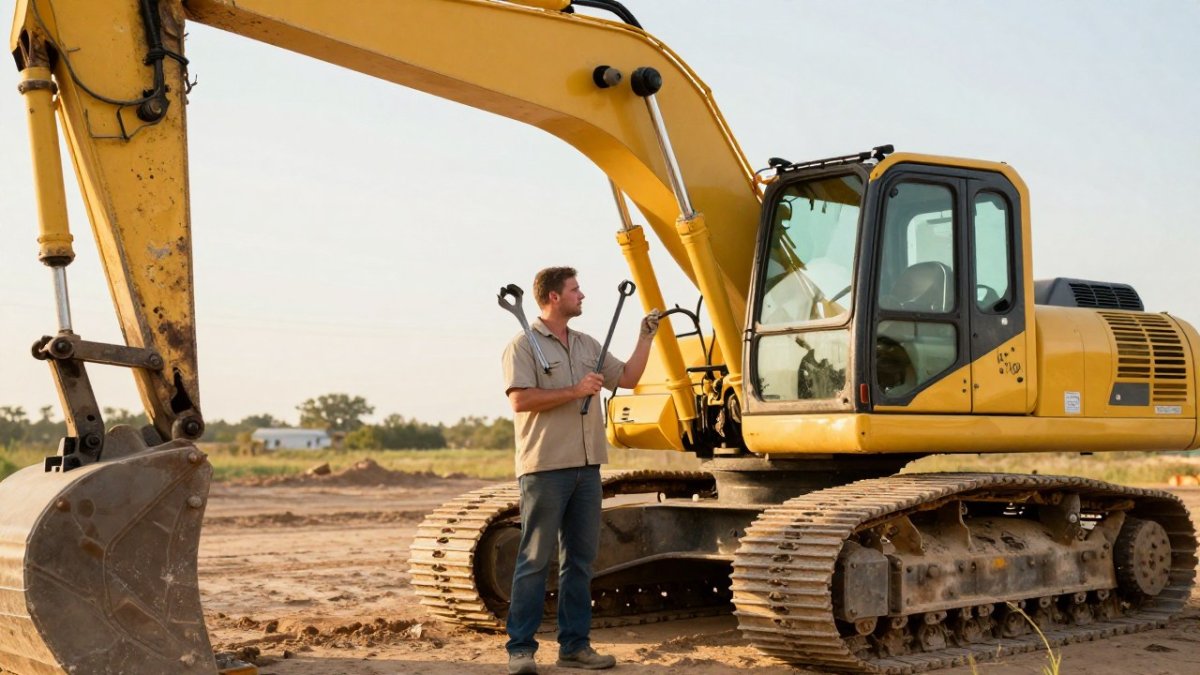
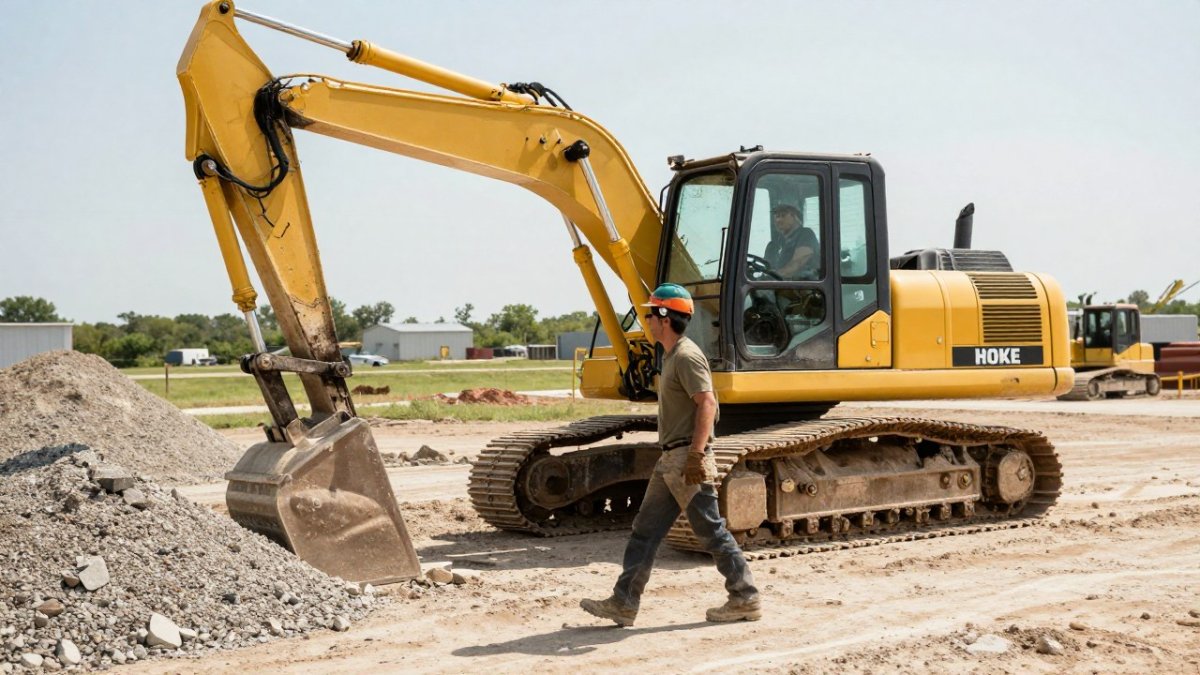
- Excavators: best for trenching utilities, removing failed base, loading haul trucks, and digging around structures. Compact units fit shoulder and sidewalk work; larger units suit mass excavation and deep cuts. Confirm bucket size, thumb availability, and whether a quick coupler is included.
- Graders: used to shape and level subgrade and base to a consistent cross-slope and grade. They are most productive on longer, open runs; short or tight sites may not justify mobilization.
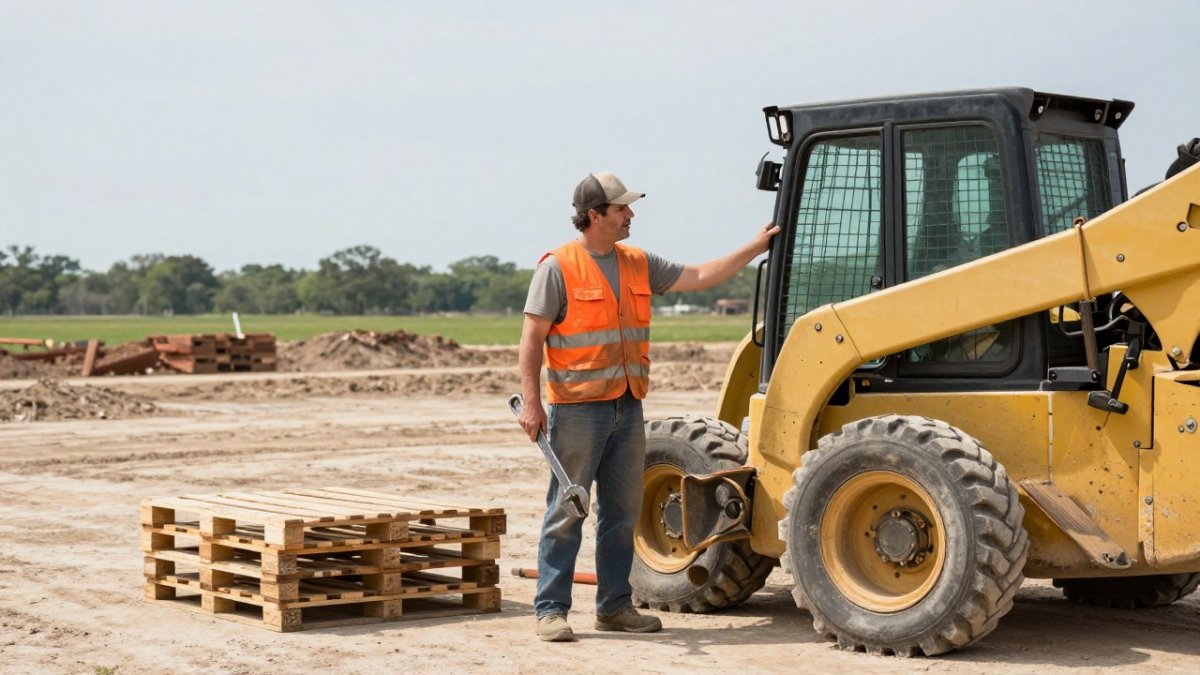
- Skid steers and compact track loaders: move loose material, backfill, sweep, and run attachments such as breakers, augers, and buckets in confined areas. Tracks handle soft ground and slopes better; wheels turn tighter on pavement.
- Paving equipment: pavers and rollers work the final surface once the base is accepted. Match paver width and roller type to the lift thickness and mix, and confirm the rental includes the screed and roller configuration you need.
- Compaction and support equipment: plate compactors, trench rollers, water trucks, and traffic-control devices round out a roadwork package and are often overlooked until the day they are needed.
A practical rule is to rent for the bottleneck, not the average. If trenching gates the schedule, size the excavator for the deepest and tightest trench, then use a smaller machine for cleanup and backfill. If you are unsure which class fits, a same-topic guide can help you narrow the choice: read our guide on choosing the right excavator for a specific project.
Watch out: renting a machine at the edge of its published depth or reach to save a size class usually costs more in slow cycles and rework than the larger unit would have.
Excavator Rental Cost Per Day and How Pricing Is Structured
Excavator rental is usually priced by the day, with weekly and monthly rates that lower the per-day cost for longer jobs. Many renters find that the total depends less on the machine itself and more on how long they need it, when they pick it up, and whether delivery is included. Hoke Rentals does not publish daily rates . Contact us for a current quote based on your machine, schedule and location.
When comparing quotes from any provider, ask for an itemized breakdown. Clarify whether the figure covers the machine only, or also transport, fuel, attachments and any minimum rental period.
Can You Rent an Excavator for 2 Days?
Yes, short rentals are common for focused tasks like trenching a drainage line, removing a damaged section of base or preparing a small access area. A two-day rental works well when the job is clearly scoped and the crew is ready to start. Confirm the minimum rental period, pickup and return times and any charges for returning the machine late, so the schedule holds.
Short-Term and Long-Term Rental Terms for Road Projects
Roadwork timelines shift with weather, inspections and material deliveries, so rental flexibility matters. Ask Hoke Rentals about rental terms and extension options before you sign, since an unplanned extra week can change the budget. A common mistake is booking a term that ends before the project does, which leads to a rushed return or an expensive extension.
Equipment Rental Delivery and Pickup at the Jobsite
Getting heavy equipment to the site is often the most complicated part of hoke rentals for roadwork, and it is where schedules slip. Delivery cost depends on the details of your project, so ask Hoke Rentals for a quote that addresses delivery and pickup for your site. Ask for delivery and pickup as separate line items so you can see what the transport actually costs and whether it is included in the quoted rate.
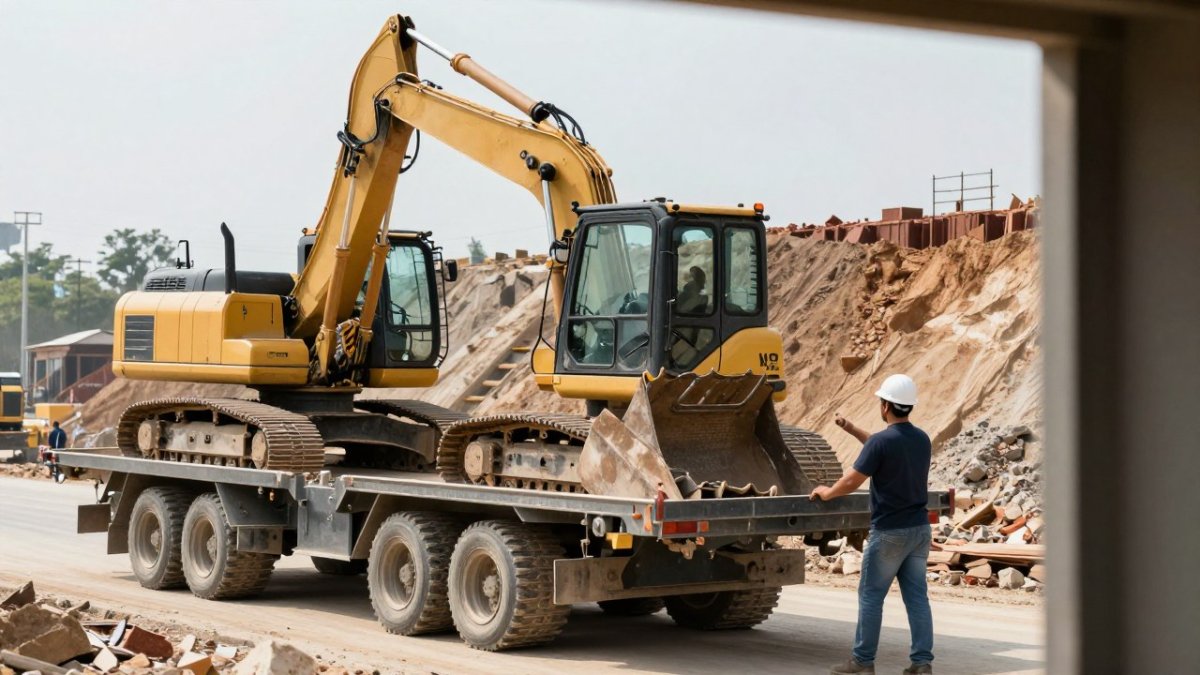
Plan the move around these jobsite requirements:
- Access route: confirm the truck can reach the site without low bridges, weight-restricted roads, or tight turns. Oversize loads may need permits and escorts, which add lead time.
- Gate and entry width: measure the narrowest point the machine must pass through, including gates, fences, and barricades.
- Unloading area: identify a firm, level spot large enough for the truck and trailer, clear of overhead lines and traffic lanes.
- Ground conditions: soft ground or fresh pavement may need mats or a different unloading point to prevent damage or a stuck truck.
- Site contact: name one person who can meet the driver, open gates, and direct placement.
- Scheduling window: confirm the delivery window and whether after-hours or weekend drops are available, since many work zones restrict deliveries to off-peak hours.
How Mobilization and Pickup Work
Delivery is typically scheduled when you book, and pickup is scheduled near the end of the rental term. Confirm who calls whom to arrange pickup, how much notice is required, and whether the machine must be cleaned or fueled before return. If the project runs long, arrange the extension before the pickup is dispatched; canceling a scheduled pickup on short notice can trigger a charge. Hoke Rentals can review jobsite logistics with you when you request a quote, and you can see where we deliver and pick up before you plan the move.
Watch out: a machine that arrives before the site is ready can sit for days on the meter, and a pickup that is not scheduled before the term ends can turn into an unplanned extension.
Roadwork Equipment Rental Checklist Before You Book
Use this checklist before you confirm a rental:
- Confirm the exact machine type and size needed for the task
- Verify the rental period, including start and return times
- Ask whether delivery, pickup and fuel are included
- Confirm the operator has the training and experience for the machine
- Check site access, clearance and ground conditions
- Request an itemized quote with all fees listed
- Ask about extension terms and late-return charges
Before you confirm a rental, these checks help you avoid the most common booking problems.
| Check | What to confirm | Why it matters |
|---|---|---|
| Machine type and size | Exact class needed for the task | Right fit for the job |
| Rental period | Start and return times | Avoids late-return charges |
| Inclusions | Delivery, pickup and fuel | Shows the true total cost |
| Operator | Training and experience on the machine | Protects productivity and safety |
| Site access | Clearance and ground conditions | Ensures the machine can reach the work |
| Quote | Itemized, all fees listed | Makes quotes comparable |
| Extensions | Terms and late-return charges | Covers schedule slips |
Requesting a Quote from Hoke Rentals for Your Next Project
Ready to move forward? Hoke Rentals provides reliable equipment rentals with personal service for roadwork across East Texas. Contact Hoke Rentals to request a quote for your next project, and we will help you match the right machine to your schedule and site.
Frequently Asked Questions
How much does it cost to rent an excavator for 2 days?
Excavator rental pricing depends on machine size, the rental dates, delivery distance, and any attachments or operator needs, so there is no single fixed figure that applies to every job. For a figure tied to your machine class and dates, request a quote from Hoke Rentals directly. When you ask, provide the machine size you expect to need, the start and end dates, and whether you need delivery and pickup, so the quote reflects your actual project.
Does equipment rental include delivery and pickup?
Delivery and pickup are often available for equipment rentals, but whether they are included or charged separately depends on the provider and the jobsite. Ask Hoke Rentals whether the quote covers transport both ways and any restrictions on trailer access or unloading.
What equipment is commonly rented for roadwork?
Roadwork projects commonly rent excavators, skid steers, graders, and paving-related equipment, depending on whether the job involves grading, base preparation, trenching, or surfacing. Choose machines by project requirements such as reach, digging depth, load capacity, and the width of the work area. Matching the machine to the task usually matters more than choosing the largest available unit.
How long can you rent roadwork equipment?
The right rental term depends on how long the work will take, so discuss your construction timeline with Hoke Rentals before you book. Discuss your construction timeline with Hoke Rentals so the rental period covers the full job without paying for unused days.