 blog
Best Hoke Rentals for Oilfield and Pipeline Contractors
Last Updated: November 12, 2026
Quick Summary
For most oilfield, pipeline and utility crews, hoke rentals make sense because they keep cash free for payroll and fuel while matching machines to each job. Renting is usually the better choice when a machine will sit idle between tasks. Booking ahead, confirming attachments and planning delivery and return times keep rentals on schedule.
- Renting avoids the purchase price, storage, insurance and maintenance that come with owning a machine.
- A crew may need a trencher for three weeks and a compact loader for two days, so renting pays only for days used.
- Pipeline crews should count how many relocations the project needs before comparing machine specs.
- Confirm delivery route width, bridge limits and lease-road conditions before booking any unit.
- Build a realistic daily-use estimate before choosing a rental term, and call early to extend or shorten.
Table of Contents
- Equipment Categories Hoke Rentals Covers for Field Crews
- Pipeline Construction Equipment Rental: Selection Criteria
- Utility Contractor Equipment Rental: Matching Machines to Work
- Short-Term Equipment Rental Versus Longer Commitments
- Jobsite Equipment Rental Checklist Before You Book
- Questions to Ask Hoke Rentals and Next Steps for Your Crew
- Frequently Asked Questions
Hoke Rentals serves contractors across East Texas, and the crews that work oilfield, pipeline and utility jobs often ask the same question first: should we own this machine or rent it? For most field crews, renting keeps cash free for payroll and fuel while matching machines to each job. The answer usually depends on how long the work lasts and how often the same machine would sit idle.
Renting gives a crew access to the right equipment without the purchase price, storage, insurance and maintenance that come with owning it. A crew working a short pipeline tie-in may need a trencher for three weeks and a compact loader for two days. Owning both makes little sense. Renting lets the crew pay only for the days the machine earns its keep.
The trade-off is planning. Rental machines must be booked ahead, delivered to the site and returned on time. Late returns add cost, and a machine that arrives with the wrong attachment can stall a crew for a full shift. Crews that plan their equipment list before mobilization avoid most of these problems.
Renting is rarely a one-size decision. The sections below cover the equipment categories, selection criteria and booking steps that help crews choose well.
Equipment Categories Hoke Rentals Covers for Field Crews
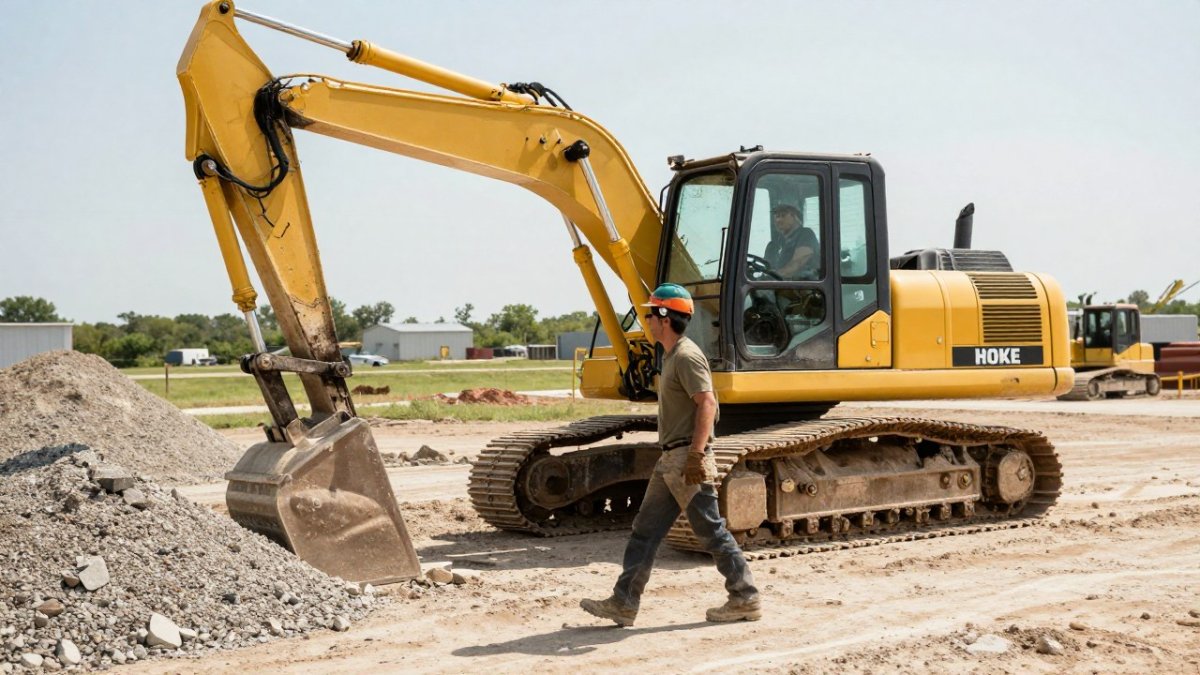
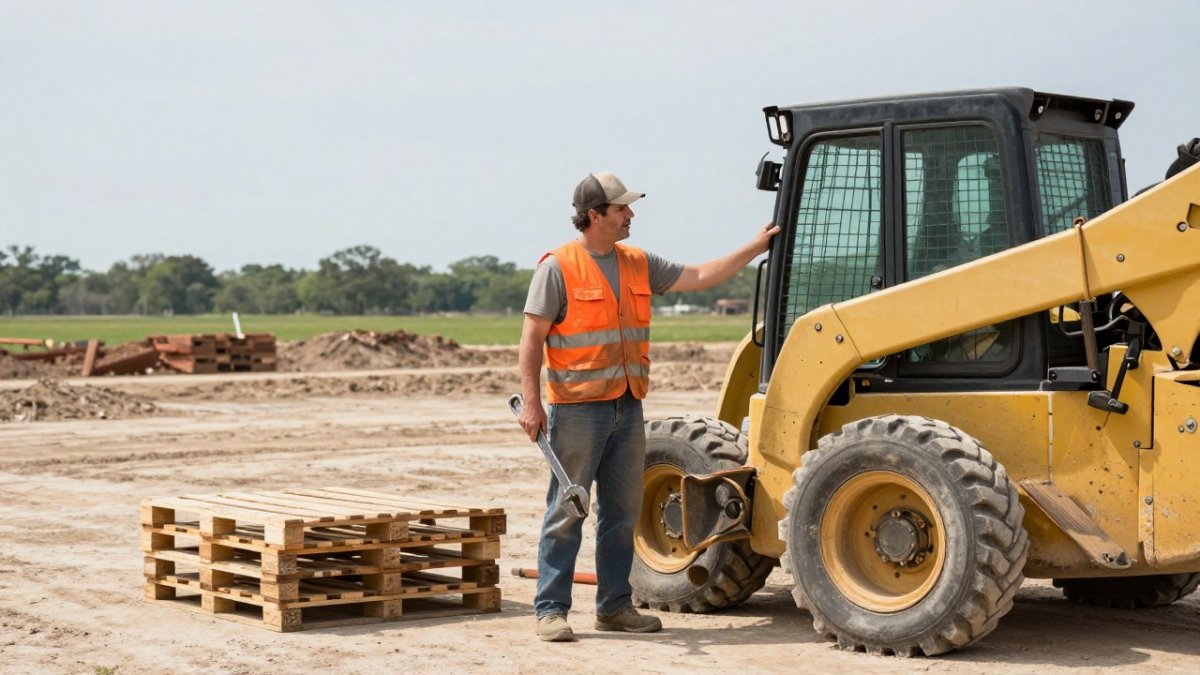
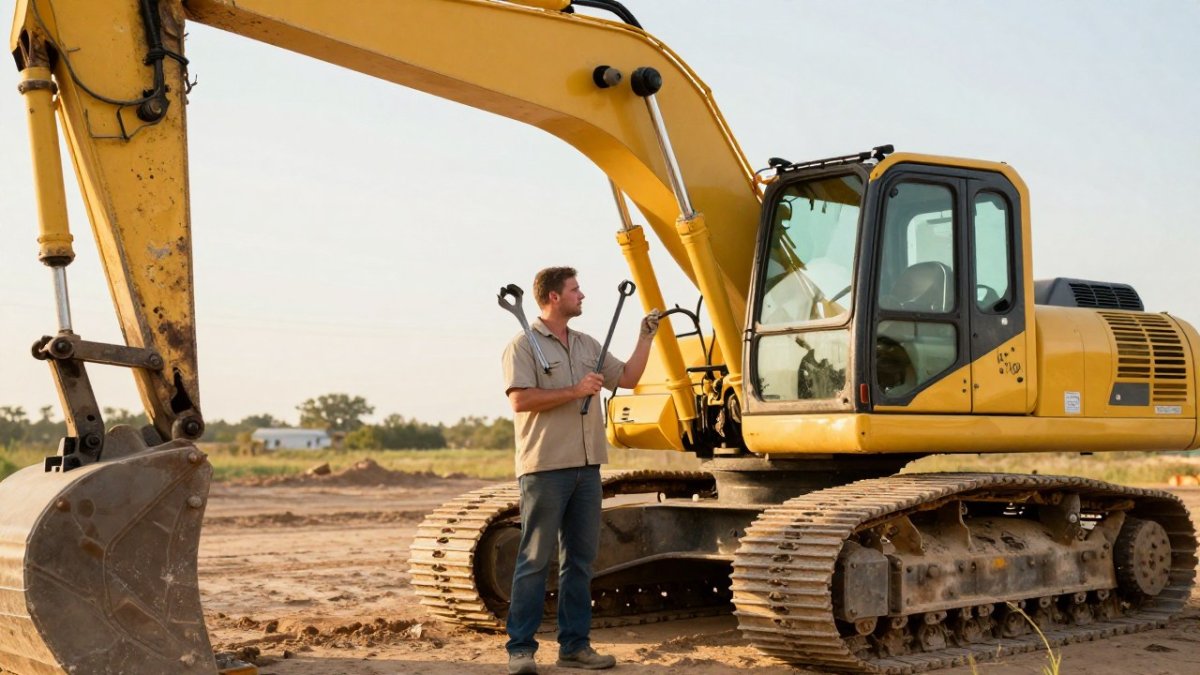
Field crews usually rent in a few broad groups: excavation machines, material handling, compaction, and power and support equipment. Each group serves a different stage of a job. Excavators and trenchers open the ground. Loaders and skid steers move soil and material. Compactors and plates restore the surface. Generators, light towers and pumps keep the work running after dark or in remote locations.
Browse the current rental inventory on the Equipment Rentals page to see which machines are available for your job. Crews comparing categories often find that one machine covers two stages of a job, which can cut the number of rentals on a single ticket. Ask about attachments, since the attachment changes what a machine can do.
Rental pricing depends on the machine, the rental length, delivery distance and the attachments required, so request a quote from Hoke Rentals for current prices. Clarify these factors before you choose a category.
Pipeline Construction Equipment Rental: Selection Criteria
Pipeline work moves. A spread that starts near a compressor station may be forty miles down the right-of-way three weeks later, and the housing and support equipment have to move with it. That mobility is the first selection criterion most rental listings skip. Before you compare machine specs, map the project into segments and ask how many times the crew will relocate. A crew that moves every two weeks needs different accommodations and support equipment than one parked at a single station for a season.

The second criterion is crew size by phase. Pipeline construction typically runs several distinct phases, and each phase carries a different headcount and a different equipment list. Housing and support rentals are often most efficiently sized to the phase you are in rather than the peak, unless the contract guarantees the peak headcount for the full term.
The third criterion is site access and hookups. Remote right-of-way locations often lack utility power, water, and sewer. Self-contained options such as generator power and holding tanks may be needed in such cases. Confirm the delivery route before you book, width restrictions, bridge load limits, and lease-road conditions can rule out certain unit sizes or require a different delivery window.
The fourth criterion is contract flexibility. Pipeline schedules shift with weather, permits, and landowner access. Ask whether the rental term can be extended week to week, what the early-return policy is, and whether relocation between segments is included or billed separately. Get those terms in writing on the quote, not in a verbal assurance.
Watch out: a housing or support unit quoted at a low monthly rate can cost more than a higher-rate unit once relocation fees, generator fuel, and servicing trips are added, compare total cost for the full segment, not the headline rate.
For the equipment side of the same job, review the full range of Services Hoke Rentals offers so you can bundle housing support and machines on one schedule.
The four criteria below are the ones the article says to weigh before booking pipeline equipment.
| Criterion | What to check | Why it matters |
|---|---|---|
| Mobility | Number of relocations | Pipeline spreads move every few weeks |
| Crew size by phase | Headcount for each phase | Sizing to peak can waste money |
| Site access and hookups | Power, water, sewer, delivery route | Remote sites may need self-contained units |
| Contract flexibility | Extensions, early returns, relocation fees | Schedules shift with weather and permits |
Utility Contractor Equipment Rental: Matching Machines to Work
Utility work is the most location-volatile segment of the three. A crew may spend four days on a storm-restoration deployment two counties away, then return to routine service connections. That pattern changes what you rent and how you rent it. The selection criteria below are written for that reality rather than for a single fixed job site.
Start with deployment duration. Restoration and emergency work often runs in short bursts of one to three weeks, while capital projects such as substation upgrades or main replacements can run for months. Short deployments favor furnished, move-in-ready units and month-to-month terms; longer projects justify longer commitments and centralized crew housing. A common pattern is to keep a small core of long-term housing for the permanent crew and add short-term units only when a restoration call comes in.
Next, match crew size to housing type. Crew size and deployment length are factors to weigh when deciding between individual units and centralized workforce housing.
Then confirm site logistics. Utility work frequently happens in congested areas near buried lines, traffic, and pavement. The same constraints that favor mini excavators and compact loaders apply to housing delivery: narrow access, limited staging space, and permit requirements for placing units on public right-of-way or private easements. Confirm whether the site has utility power, water, and sewer, or whether the units must be self-contained. Restoration deployments in particular often arrive before utilities are restored, so generator power and holding tanks are common requirements.
Finally, build a procurement checklist before you commit. Confirm the delivery address and access route, any permits needed to place units, hookup responsibilities, servicing frequency, occupancy limits, and the contract's extension and early-return terms. Get each item on the quote. For a deeper look at choosing a machine for a drainage-type job, read our guide on Mini Excavator Rental for Backyard Drainage: How to Choose, which walks through size, reach and attachment decisions that apply to many utility tasks.
Short-Term Equipment Rental Versus Longer Commitments
Short-term rentals suit crews with uncertain schedules, seasonal peaks or one-off tasks. Longer commitments can lower the daily cost when a machine will work most days of a project. The break-even point depends on how many days the machine will run and whether the rental period includes delivery and pickup.
A common mistake is booking the longest term "to be safe." Idle days still cost money, and early returns are not always credited. Build a realistic daily-use estimate first, then choose the term that fits it. If the schedule shifts, call early to extend or shorten the booking.
Request a quote from Hoke Rentals for your specific dates to compare booking lengths.
Jobsite Equipment Rental Checklist Before You Book
A short checklist prevents most rental problems on the job. Confirm each item before the machine leaves the yard:
- Machine type and size match the soil, depth and reach the task requires
- Required attachments are listed on the order (bucket width, auger, breaker)
- Delivery address, access route and any width or weight limits are confirmed
- Rental start, end and return times are written on the booking
- Fuel, operator and site-safety requirements are understood
- Someone on site is assigned to inspect the machine at delivery
- Return pickup is scheduled before the rental period ends
Completing this checklist takes only a few minutes and removes the most common causes of delays and surprise charges.
Questions to Ask Hoke Rentals and Next Steps for Your Crew
Before committing, ask a few direct questions. Does the machine include the attachments you need? What happens if the job runs longer than planned? How quickly can a replacement arrive if a machine has a problem on site? Hoke Rentals welcomes these questions, and the FAQs page answers many common ones about the rental process.
When you are ready to move forward, contact Hoke Rentals with your equipment list, site location and expected dates. The team can then recommend machines, confirm availability and provide a quote for your crew.
Frequently Asked Questions
What equipment do oilfield contractors commonly rent?
Oilfield contractors most often rent excavators, skid steers, compact track loaders, trenchers, water and fuel transfer equipment, and light towers for night work. Hoke Rentals offers a range of construction and jobsite equipment for contractors across East Texas. Pricing depends on machine type, rental length, and delivery distance, so request a quote with your site location and planned dates. Matching the machine to soil conditions and access on the lease road usually matters more than picking the largest unit available.
How long should I rent equipment for a construction project?
Rental length should follow your realistic production schedule, including mobilization, setup, work days, and demobilization. Short-term rentals work well for a single trench run or a two-day excavation, while longer project rentals can reduce the daily rate when work is spread across several weeks. Build in a buffer for weather and inspection holds, because standby days are often billed. Confirm the return date and any extension terms before you sign the agreement.
What information do I need to request an equipment rental quote?
Give the rental desk the machine type or task, the job location, planned start and end dates, daily hours, and whether you need delivery and pickup. Note the ground conditions, access restrictions, and any attachments you expect to use, such as a compact auger or hydraulic breaker. Tell the team if the work is subject to site-specific safety requirements. Complete details let Hoke Rentals quote accurately and avoid surprises on the invoice.
How can contractors avoid delays when renting jobsite equipment?
Reserve equipment before your crew is scheduled to mobilize, and confirm delivery windows the day before. Inspect the machine on arrival, check fluids, tires or tracks, and attachments, and document any existing damage with photos. Keep a clear route for the delivery truck and identify who will receive the equipment on site. Ask about support options so a breakdown does not stop the job for long.