 How-to
How to Reserve Construction Equipment Step by Step
Quick Summary
To reserve construction equipment, first define your project scope, schedule, and site conditions, then choose a machine that fits the task and access. Submit a written request, ask for an availability hold, and get a line-by-line written confirmation before paying a deposit.
- Add setup and teardown days to your rental count before you reserve.
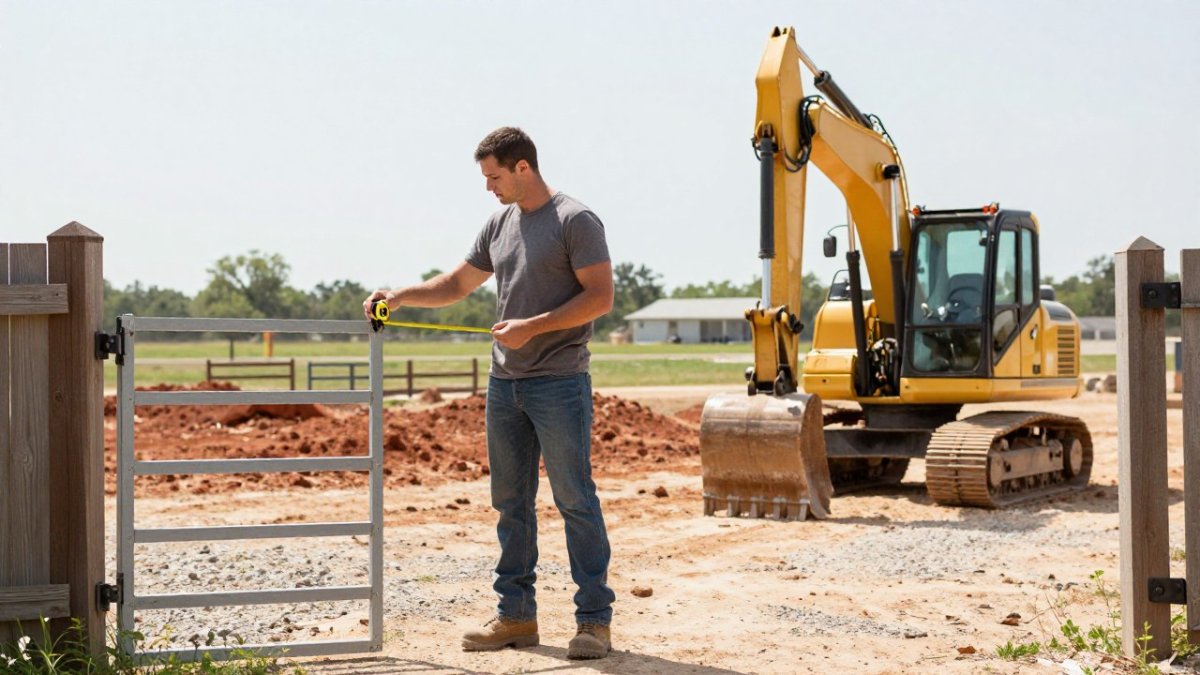
- Measure gate widths and overhead clearance before choosing a machine.
- Add one to two buffer days for delays, breakdowns, or rain.
- Ask whether the unit is held for your dates or subject to availability, in writing.
- Get the deposit, change, and cancellation terms in writing before booking.
Table of Contents
- Start With Your Project Scope and Schedule
- How to Choose Construction Equipment for Rental
- Construction Equipment Rental Duration: How Long to Reserve
- Construction Equipment Rental Checklist: Project and Site Details
- Step-by-Step Reservation Workflow, From Request to Confirmation
- Questions to Ask Before Renting Construction Equipment
- Deposits, Changes, Cancellations, and Contingency Plans
- Confirm Your Booking With Hoke Rentals
- Frequently Asked Questions
Start With Your Project Scope and Schedule
Last Updated: November 1, 2026
Renting heavy equipment starts long before you call a provider.
Before you reserve anything, write down what the job actually requires. Ask yourself a few simple questions:
- What work needs to get done?
- How many days or weeks will the work take?
- What site conditions will the machine face?
- Who will operate the equipment?
A clear scope keeps you from renting the wrong machine. It also keeps you from paying for days you do not use.
Build a simple schedule. Map out each phase of the project and the days each phase needs equipment.
Watch out: Many renters book for the expected finish date and forget the setup and teardown days. Add those to your count before you reserve.
How to Choose Construction Equipment for Rental
The right machine depends on the task, the site, and the size of the job.
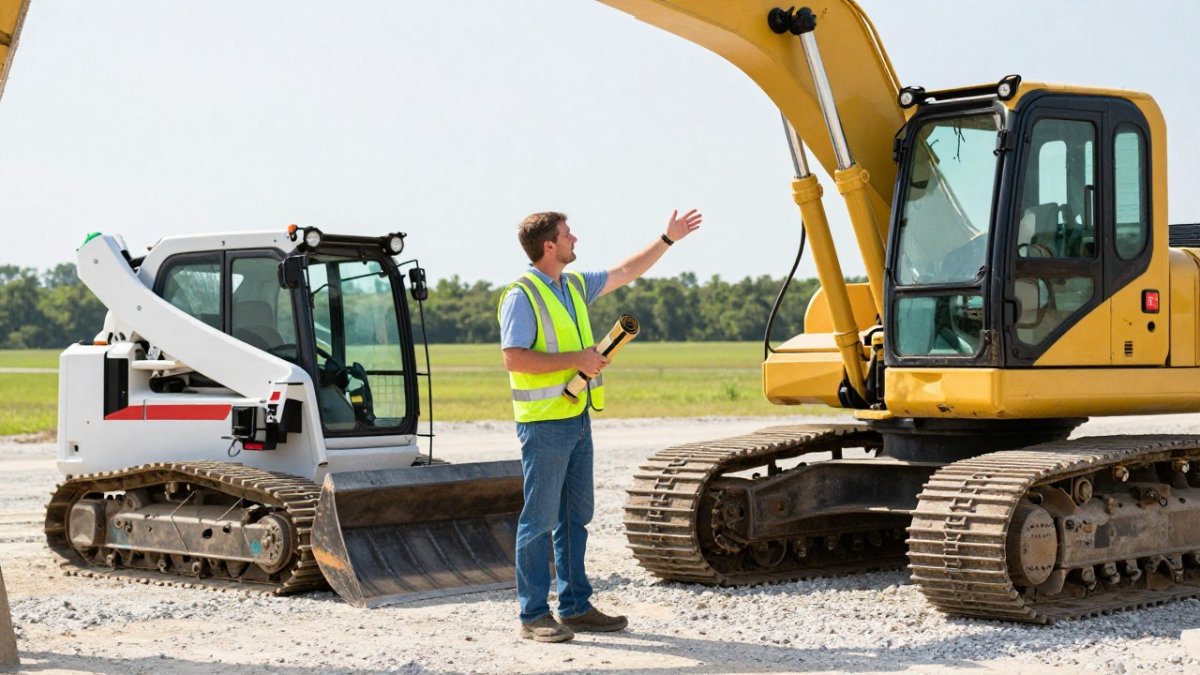
Start with the task. Digging a trench, moving fill, and lifting pallets each call for a different machine.
Check size against access. A machine that cannot fit through your gate costs you a day.
Consider attachments. Many jobs need a bucket, auger, or breaker.
Ask your rental provider which models fit your site. A good provider will ask you questions before recommending a machine.
Construction Equipment Rental Duration: How Long to Reserve
Reserve equipment for the full length of time you will use it, plus a buffer.
- Daily rentals suit short, one-time tasks.
- Weekly rentals often cost less per day than daily rates.
- Monthly rentals suit long projects with steady use.
Pricing depends on quantity, dates, and delivery. For current rates, contact Hoke Rentals directly.
Plan a buffer. Add one to two extra days for delays, breakdowns, or rain. It costs less to keep a machine a day longer than to scramble for one when the job stalls.
Construction Equipment Rental Checklist: Project and Site Details
Gather these details before you call. A complete request speeds up your reservation.
- Project address and site access points
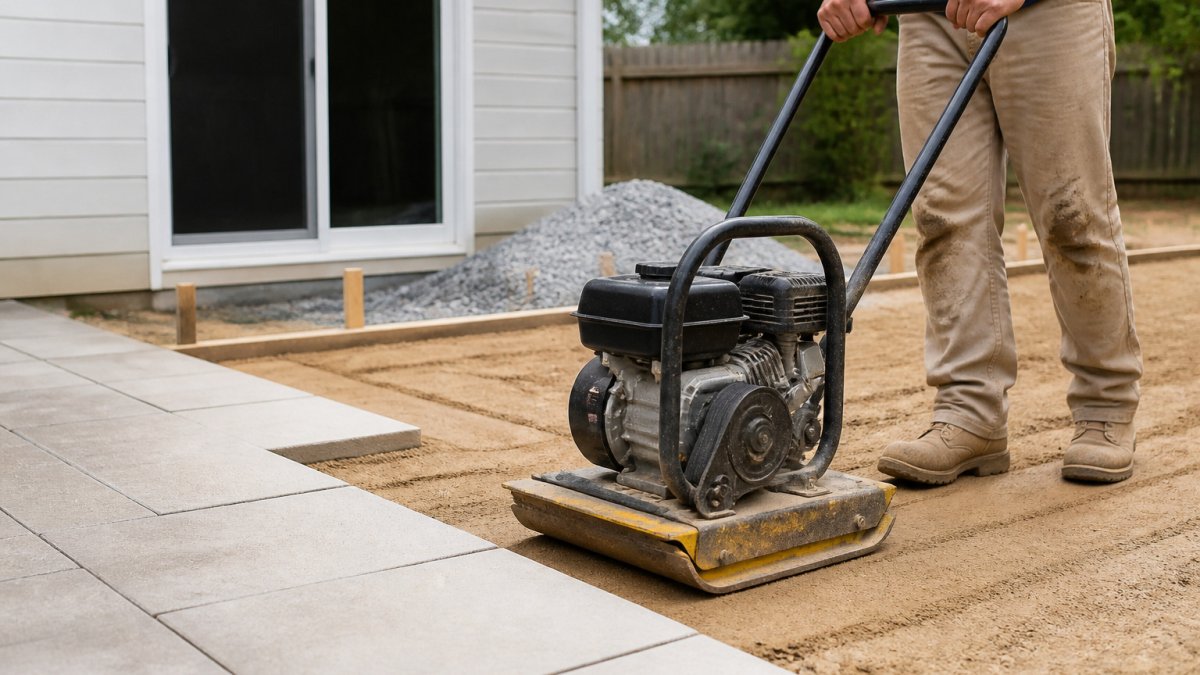
- Ground conditions (soft, rocky, sloped, or paved)
- Overhead clearance and gate widths
- Delivery address and any on-site restrictions
- Start date and expected return date
- Operator name and certification, if required
- Attachments needed
- Contact person and phone number on site
Having these answers ready lets the provider confirm the right machine and delivery window the first time.
Step-by-Step Reservation Workflow, From Request to Confirmation
Most rental advice stops at "call the provider." The reservation itself is a short, repeatable process, and the renters who move through it cleanly are the ones who arrive with their scope notes and site checklist already filled in. Here is the full path from first request to a booking you can defend if the schedule shifts.
- Lock the machine spec before you contact anyone. Write down the equipment class, size, required attachments, and the operator. If you are unsure between two models, note both, a provider can steer you, but only if you describe the work, not just the machine name.
- Assemble the site packet. Project address, gate and overhead dimensions, ground conditions, delivery window, on-site contact, and certificate of insurance if the provider requires one. This is the same list from the checklist section; have it in hand, not in your head.
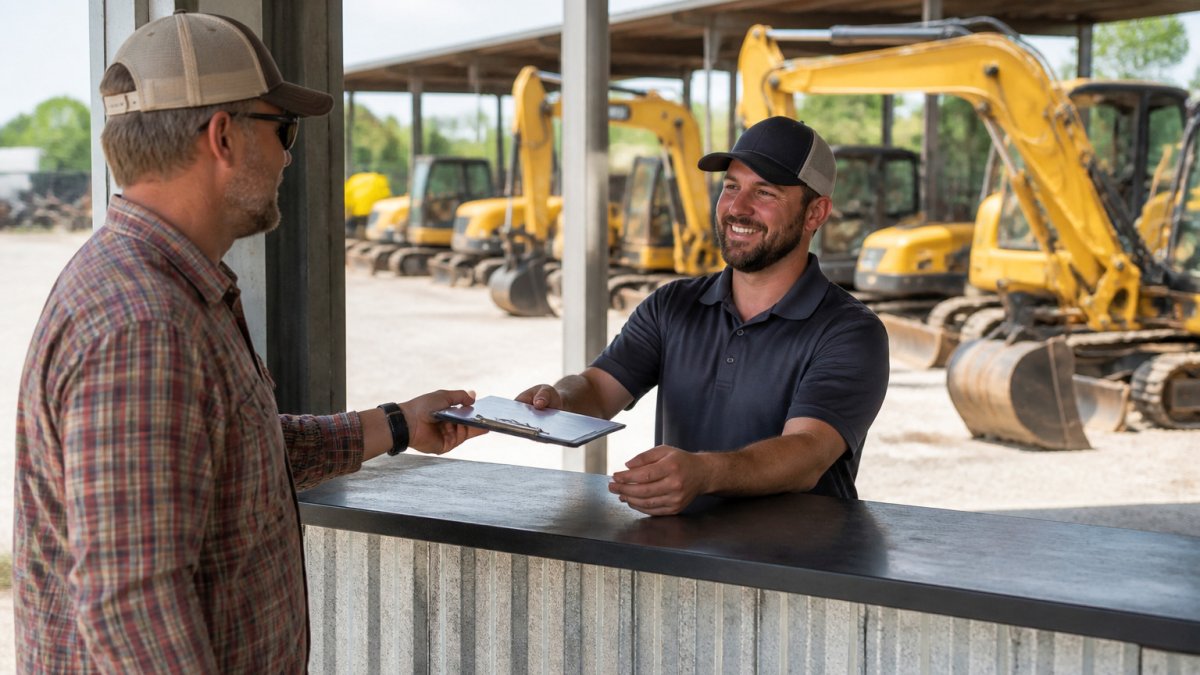
- Submit the request in writing when possible. An online form or email creates a timestamp and a record. If you call, follow up with an email summarizing what was discussed. Include the rental start date, the expected return date, and the buffer days you plan to hold.
- Ask for an availability hold, not just a quote. A quote tells you the rate; a hold tells you the machine is earmarked. Ask explicitly: "Is this unit reserved for my dates, or is this pricing subject to availability?" Get the answer in writing.
- Confirm delivery and pickup logistics. Agree on the delivery window (not just the day), who signs for the equipment, where on site it will be dropped, and whether the provider's truck can physically reach that spot. Confirm the pickup window on the return end as well, a machine that sits past its return date can trigger extra charges.
- Read the rental agreement before you pay. Focus on the rate structure (daily/weekly/monthly breakpoints), damage and cleaning responsibility, fuel policy, and the change and cancellation terms covered in the next section. Ask for any verbal promise, a waived delivery fee, a free attachment, to be written into the agreement.
- Pay the deposit or booking fee and note the due date. Confirm the payment method, whether the deposit is refundable, and when it is returned. Keep the receipt with the confirmation.
- Get written confirmation and verify it line by line. The confirmation should list the machine (make, model, or unit number), attachments, rental dates including buffer, delivery and pickup windows, rate, deposit, and the provider's after-hours contact. If any line is wrong, correct it before the machine leaves the yard.
- Calendar the checkpoints. Set reminders for the day before delivery (confirm the window), the midpoint of the rental (decide whether to extend), and the day before pickup (confirm the return window and site access).
Reservation Lead Times and Availability Planning
Book early, especially during peak building seasons. Popular machines can be in high demand during busy building seasons. Confirm the provider's lead time when you request a quote, as availability varies by season.
If the machine you want is unavailable, work through these options in order:
- Shift the dates. If your schedule has any flex, ask what the nearest open window is. A one-day shift can sometimes unlock a unit.
- Accept a substitute. Ask whether a comparable model, same class, same capability, is free for your dates. Confirm the substitute's dimensions and weight still fit your site access.
- Split the rental. For longer jobs, ask whether the provider can supply one unit for the first stretch and a second for the remainder. This can bridge a gap without pushing your start date.
- Ask about a waitlist or cancellation watch. Some providers will call you if a held unit is released. Make sure they have your mobile number and the dates you can accept.
Digital booking and confirmation practices. Whether you reserve online or by phone, the confirmation step is the same: get the booking in writing, verify every line, and keep a record of any change.
Questions to Ask Before Renting Construction Equipment
Ask these questions before you sign anything:
- What does the rate include, and what costs extra?
- What fuel policy applies?
- Who handles routine maintenance during the rental?
- What happens if the machine breaks down on site?
- Is operator training or certification required?
- What is the policy if I need to extend or shorten the rental?
Clear answers now prevent surprise charges later. If anything is unclear, ask for it in writing.
Deposits, Changes, Cancellations, and Contingency Plans
Booking terms are where a smooth rental turns into a surprise invoice.
Deposits and payment. Ask three things: whether a deposit is required, what it covers (damage, fuel, cleaning, or just a booking hold), and when and how it is refunded. A deposit that is returned "after inspection" can take days or weeks; confirm the timeline. Also confirm the payment method and whether the balance is due at booking, at delivery, or at return. Keep the deposit receipt with your confirmation.
Changes. If you need more time, contact the rental team before the return window and confirm the extension rate in writing. Shortening a rental is less predictable: some providers prorate, others charge the original reserved period.
Cancellations. Confirm the notice period and the fee schedule. Ask for the specific notice windows and fees in writing before you book.
Contingency planning for delays, breakdowns, and schedule changes. Protect the timeline before anything goes wrong:
- Breakdown on site. Confirm the provider's service response, who you call, the after-hours number, and the typical response window. Ask whether a replacement unit is provided if the machine cannot be repaired on site, and who pays for the downtime. Get the escalation contact's name and direct number, not just a general line.
- Weather or schedule slip. If rain or a permit delay pushes your start, call the provider as soon as you know. Early notice gives you the best shot at moving the reservation without losing the unit or paying a cancellation fee.
- Substitution. If your machine is unavailable at the last minute, ask what comparable unit can be delivered in its place and confirm the substitute fits your site access before it arrives.
- Extension vs. re-rental. If the job runs long, compare the extension rate against re-renting a fresh unit. Sometimes a weekly extension is cheaper than a new short rental; sometimes it is not. Ask for both numbers.
Confirm Your Booking With Hoke Rentals
Ready to reserve? Browse our available equipment to find the machine that fits your job. Have questions about policies or requirements? Check our frequently asked questions for quick answers. When you are ready to finalize, contact our rental team or start your rental request online.
Frequently Asked Questions
How far in advance should I reserve construction equipment?
Reserve as early as your schedule is firm, especially for excavators, loaders, and other high-demand machines. Availability can change with season and delivery requirements, so ask the rental company to confirm what they can hold for your dates. Booking early protects your start date, and it gives you time to arrange transport, operator certifications, and site access. For current availability, contact Hoke Rentals directly or request a quote on the website.
What should I check before booking construction equipment?
Confirm the machine size and type against your job, the exact start and return dates, and the delivery or pickup location. Check whether the machine needs attachments, fuel, or an operator. Review the rental agreement for deposit requirements, change and cancellation terms, and damage responsibility. Ask about insurance requirements, since many rental contracts require the renter to carry coverage. Verify site conditions such as access roads, overhead clearance, and soil type, because these affect which equipment will work.
What information do I need to reserve construction equipment?
Have your project name, job site address, contact person, and phone number ready. Know the equipment type, approximate weight or size class, and any attachments you need. List your rental start and end dates, delivery preference, and whether you need an operator. Note site constraints like gate access, load-bearing surfaces, and working hours. Having these details ready shortens the quote process and reduces the chance of a mismatched machine arriving on site.
How do I choose the right construction equipment for my project?
Start with the work itself: the depth, reach, load weight, and surface you are working on. Match the machine size to the job rather than choosing the largest available, since oversized equipment can damage surfaces and cost more to transport. Consider whether the project needs specialized attachments. Ask the rental company which model fits your specifications and whether a smaller or alternate machine would handle the task. For pricing, direct questions to Hoke Rentals, since rates depend on equipment, dates, and delivery.