 How-to
Renting Equipment With Operator Training: A How-To Guide
Last Updated: November 24, 2026
Quick Summary
Renting equipment with operator training bundles a machine rental with structured instruction so the operator understands controls, load limits, and safety rules before work begins. Match the training level to the operator: familiarization for an experienced operator on a new model, formal training for new or transitioning operators, and certification where a contract or insurer requires it. The rental provider supplies the machine and a walkthrough, but the employer still owes a trained, authorized operator.
- Have the job description, operator experience level, site conditions, and compliance needs ready before calling the rental desk.
- Familiarization is a delivery walkthrough and creates no qualification, so it never satisfies an employer's duty to train.
- The employer, not the rental company, must confirm the operator is trained and authorized for the machine class.
- Scissor lift and boom lift training are distinct, so an operator trained on one is not automatically qualified on the other.
- Retrain after a new machine class, a new site with different hazards, an accident or near miss, or observed unsafe operation.
Table of Contents
- Renting Equipment With Operator Training: What You Need Before You Reserve
- Step 1: Match the Machine to the Job and the Operator
- Step 2: Choose Between Familiarization, Formal Training, and Certification
- Rental Equipment Safety Training: What the Rental Provider Owes You
- Forklift Operator Training for Rented Lift Trucks and Telehandlers
- Aerial Lift Operator Training for Scissor Lifts and Boom Lifts
- Skid Steer Operator Training and Pre-Use Inspection on the Jobsite
- Common Mistakes to Avoid When Renting Equipment With Training
- Frequently Asked Questions
Renting Equipment With Operator Training: What You Need Before You Reserve
Renting equipment with operator training bundles a machine rental with structured instruction so the operator understands controls, load limits, and safety rules before work begins. The machine itself is only part of the picture, the operator is the wildcard. Get training right and the rental goes smoothly; skip it and you inherit damaged equipment, stalled schedules, and liability.
The rental desk can hand you a key, but it cannot hand you a qualified operator. That gap is where projects go wrong. Below, we cover matching a machine to an operator, choosing the right level of instruction, and knowing who owes what for safety training on rented equipment.
What You'll Need Before You Call the Rental Desk
Have four things ready before you call: the job description, the operator's experience level, site conditions, and insurance or compliance requirements. With those in hand, the reservation conversation takes minutes instead of days. The step-by-step reservation process is easier to follow once these details are written down.
Gather this information first:
- Job scope: what the machine will actually do, and for how long
- Operator background: has this person run this machine type before, or a similar one?
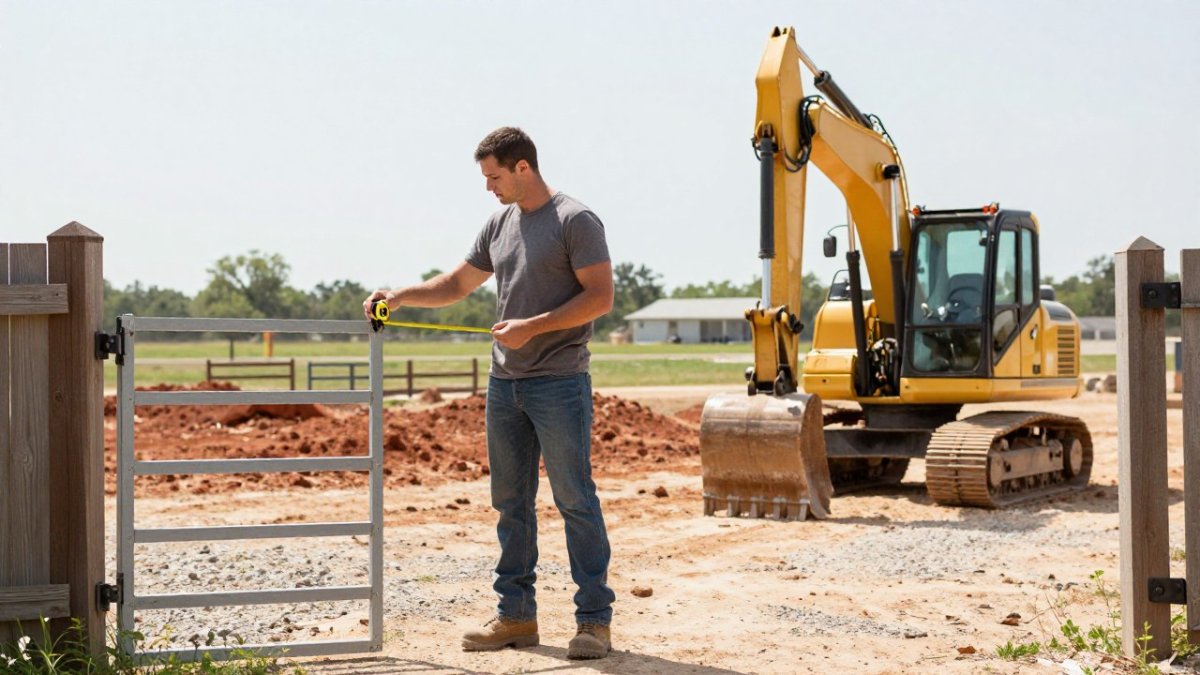
- Site access: gate width, ground surface, overhead obstructions, and slope
- Compliance needs: any certification your insurer, general contractor, or client requires
- Delivery window: when the machine needs to be on site and when it leaves
A common mistake is reserving the machine before confirming the operator. The equipment shows up, the operator has never touched a joystick control, and day one is spent learning instead of working. Line up the operator and training plan first, then reserve around that schedule.
Step 1: Match the Machine to the Job and the Operator
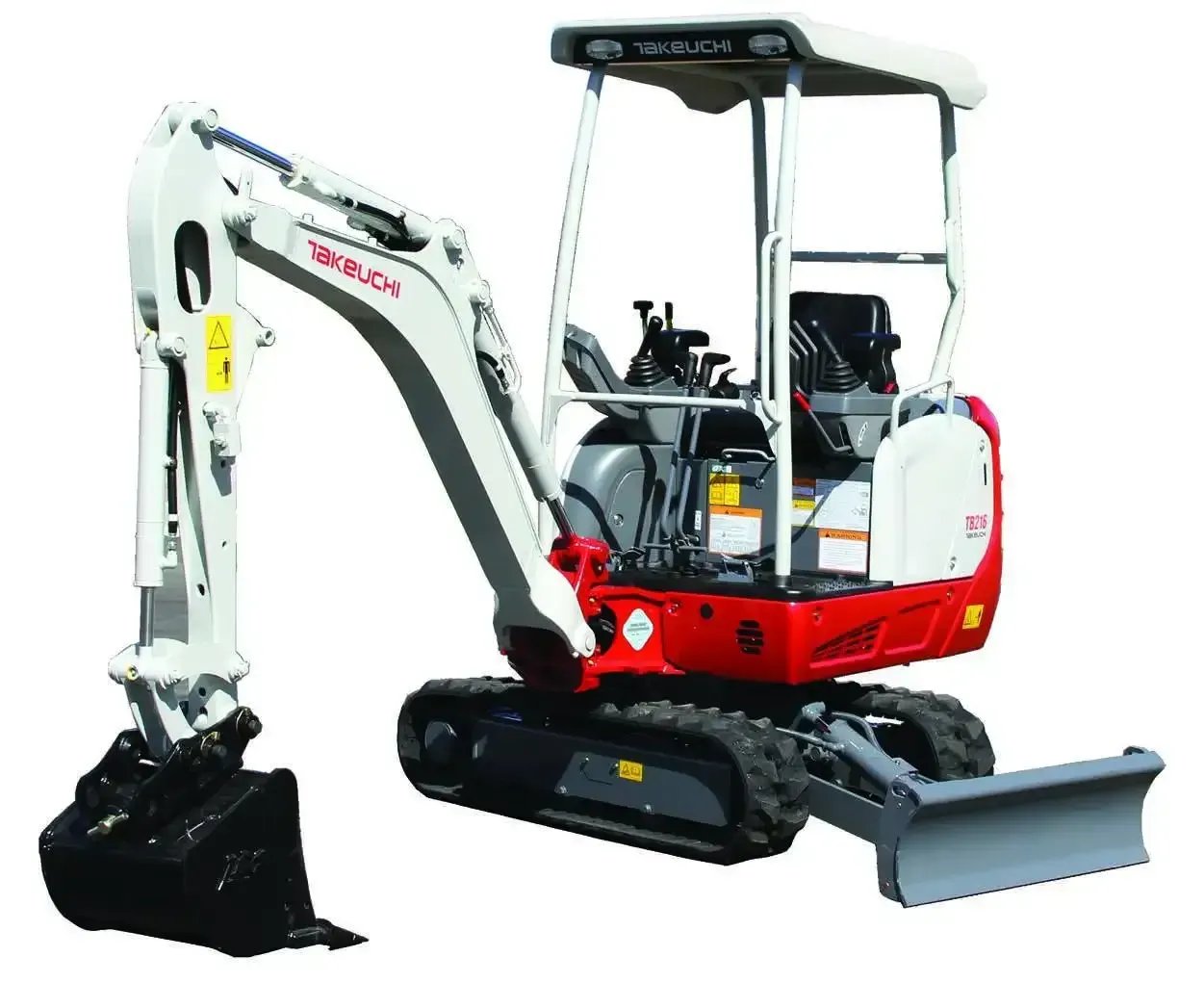
Start with the task, not the catalog. A compact excavator for a residential footing dig is a different decision than a boom lift for overhead work, and the right machine is the one your operator can actually run safely.
Ask three questions in order: What does the job physically require? What can the site accommodate? Who is available to run it, and what have they operated before? If nobody has experience, bring in a trained operator or arrange instruction before delivery.
New operators benefit from starting on a machine that matches their skill level rather than the maximum the job could use. The guide to safe first-time equipment rental operation walks through that progression before you commit to a size class.
Step 2: Choose Between Familiarization, Formal Training, and Certification
Not every rental needs the same level of instruction. There are three tiers, and picking the right one saves time and money without cutting corners.
Operator familiarization is a walkthrough of the specific machine: controls, gauges, safety features, and shutdown procedure.
Formal training is structured instruction covering safe operation, load capacity, jobsite hazards, and inspection.
Operator certification is a formal credential, often required by employers, insurers, or general contractors for certain equipment. It involves an assessment and produces documentation.
| Training level | Best for | What it covers | What it does not do | Typical format |
|---|---|---|---|---|
| Familiarization | Experienced operator, new model | Controls, features, shutdown | Create a qualification or cover hazards and load charts | Walkthrough at delivery |
| Formal training | New or transitioning operator | Safe operation, hazards, inspection, load capacity | Authorize the operator without a workplace evaluation | Instructor-led or online course plus practice |
| Certification | Regulated or insured work | Assessed competency, records | Replace site-specific and machine-specific training | Course plus evaluation |
Documentation matters at every tier. Record who was trained, on what machine class, by whom, on what date, and what evaluation was performed.
Rental Equipment Safety Training: What the Rental Provider Owes You
Rental equipment safety training responsibilities split three ways, and confusion about who covers what is the root of most disputes. A rental provider is generally expected to deliver equipment in safe working condition, and responsibilities for training are shared among the parties involved. The employer owes a qualified operator and a safe jobsite. The operator owes a pre-use inspection and safe operation.
Federal rules set the baseline. The Occupational Safety and Health Administration requires that only trained, authorized employees operate powered industrial trucks, and that training be documented.
Use the following checklist to keep responsibilities clear before the machine arrives.
Rental provider responsibilities
- Deliver a machine that has passed inspection and is safe to operate
- Provide the operator's manual and any required decals or warnings
- Give a delivery walkthrough of controls and safety features
- State what training the machine class calls for and what the manufacturer requires
- Note any damage, missing manuals, or safety defects at handoff and document it
Employer responsibilities
- Confirm the operator is trained and authorized for the machine class before operation
- Provide site-specific instruction on hazards, traffic patterns, ground conditions, and overhead obstructions
- Verify competence, ask for the training record and, where required, observe the operator before authorizing work
- Maintain training and evaluation records and keep them available for inspection
- Ensure required PPE, including fall protection for boom lifts, is on site and inspected
- Confirm insurance and contract requirements are met before the rental period starts
Operator responsibilities
- Perform the pre-use inspection every shift and document it
- Operate within the load chart and the machine's rated capacity
- Report defects to the employer and the rental provider before operating
- Stop work when conditions change or the machine behaves unexpectedly
What the rental provider does not owe you is a certified operator. For clarity on where the provider's responsibility ends, the rental FAQ page answers common questions directly.
Training validity and refresher requirements are the employer's to track. A credential or card is a point-in-time record, not a permanent qualification.
Watch out: a card with no evaluation record behind it may leave an employer unable to prove the operator was trained when a claim or inspection arrives.
Forklift Operator Training for Rented Lift Trucks and Telehandlers
Forklift and telehandler training is not optional for most worksites. Powered industrial truck rules generally call for formal instruction, practical training, and an evaluation before an operator is authorized, with refresher training as conditions change.
For a straight mast forklift or a telehandler, training should cover load capacity and the load chart, stability and tipping risk, travel and turning on uneven ground, and the specific attachments in use.
A common mistake is treating a telehandler like a forklift. They are not the same machine. The load chart changes with boom extension and angle, and an operator who ignores it can tip the machine with a load well under its rated capacity.
Aerial Lift Operator Training for Scissor Lifts and Boom Lifts
Aerial lift operator training should match the lift type. A scissor lift and a boom lift handle differently and call for distinct training.
Scissor lift training focuses on platform stability, the risk of working at height without fall protection when guardrails are in place, and keeping the platform level on firm ground.
The OSHA guidance on aerial lifts is clear that only trained personnel may operate these machines.
Skid Steer Operator Training and Pre-Use Inspection on the Jobsite
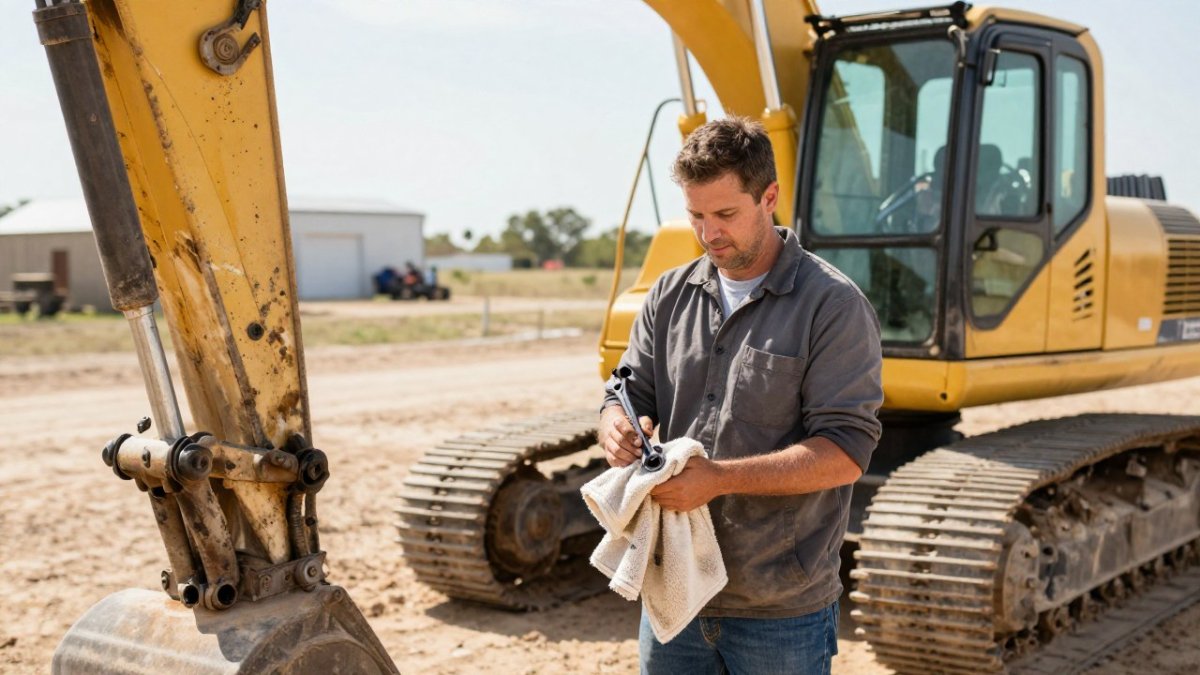
Skid steer training covers the controls, the turning characteristics of a machine that steers by skidding, load and stability limits, and the attachments in use. It also covers the pre-use inspection, the operator's job every shift and the cheapest safety measure on any site.
A pre-use inspection takes minutes and catches problems before they become breakdowns or injuries. Walk the machine before you start it:
- Check fluid levels and look for leaks under the machine
- Inspect tires or tracks for damage and correct pressure
- Test the controls, brakes, and parking brake
- Confirm the attachment is locked and matches the job
- Check the load chart and confirm the lift is within capacity
- Test lights, alarms, and the backup warning
- Clear the swing area and confirm no one is in the work zone
Watch out: skipping the pre-use inspection because the machine "ran fine yesterday" is how a loose attachment or a slow hydraulic leak turns into a jobsite incident. Document the inspection and note any issue to the rental provider before you operate.
Common Mistakes to Avoid When Renting Equipment With Training
The same mistakes show up again and again on rental jobsites. Avoiding them is mostly a matter of sequencing and paperwork.
- Reserving the machine before confirming the operator. Line up the person and the training first.
- Assuming the rental company provides certification. It provides the machine and a familiarization, not a credential.
- Treating one lift type as another. Scissor lift training does not cover a boom lift.
- Skipping refresher training. New machine, new site, or a performance issue means retraining.
- Ignoring documentation. Training records and certification cards protect you if something goes wrong.
- Skipping the pre-use inspection. It is the operator's job, every shift.
If you are ready to line up a machine and the training that goes with it, contact our rental team and we will help you match the equipment to your operator and your job.
Renting a machine is the easy part. Renting the right machine with an operator who is genuinely ready to run it is where the work pays off. Hoke Rentals supplies dependable, well-maintained construction and jobsite equipment with straightforward rentals and personal service, and we help you think through the training piece before the machine leaves our yard.
Frequently Asked Questions
Do equipment rental companies offer operator training?
Some do, and the scope varies widely. Many rental providers offer operator familiarization, where a staff member walks the renter through the controls, load capacity, and pre-use inspection before the machine leaves the yard. Formal operator training and certification are usually delivered through an instructor-led course or an online learning path from a dedicated training provider. Ask specifically which of the three you are getting, because familiarization alone does not produce a certification card.
How long does equipment operator training take?
It depends on the machine and the level of training. Duration depends on the machine and the level of training, so confirm timing with the provider. Familiarization is typically brief, while formal training and certification add classroom instruction, hands-on practice, and an evaluation.
Who is responsible for operator safety training when equipment is rented?
The employer is responsible. Operator training obligations generally rest with the employer and do not typically transfer to the rental company when the machine is handed over. Consult OSHA and applicable standards for the specific requirements that apply. The renter's job is to confirm the operator holds current training records for that equipment type and to run a pre-use inspection before work starts.
Do I need a license or certification to operate rented equipment?
Licensing requirements vary, so check the rules that apply to your equipment and jurisdiction. Compliance with OSHA and applicable ANSI standards generally governs training and safe operation, and many employers request a certification card as proof of training. Many employers and general contractors ask for a certification card as proof, so carrying one makes it easier to get onto a jobsite and pass a site safety check.