 blog
Construction Equipment Rental Longview TX: Costs and Checklist
Last Updated: November 9, 2026
Quick Summary
Construction equipment rental in Longview, TX is priced by machine size, rental tier, attachments, and delivery distance rather than a single fixed rate. Ask for the daily rate, weekly rate, and delivery charge separately, then compare totals before you book. Hoke Rentals can give a firm quote once you share your project dates and site conditions.
- Ask whether the weekly rate is cheaper than two daily rates for your booking.
- Choose machine size by digging depth, the narrowest access point, and work area size.
- Attachments and delivery in both directions may be billed as separate line items.
- Confirm in writing how an overrun on a short booking will be priced before signing.
- Photograph the machine's condition at pickup and return to prevent disputes.
Table of Contents
- How Much Does It Cost to Rent an Excavator for Two Days?
- Choosing the Right Machine Size for Your Project
- Daily, Weekly, and Monthly Rental Rates Compared
- Construction Equipment Rental Checklist Before You Sign
- Equipment Rental Delivery and Pickup: Planning the Logistics
- Booking Your Equipment With Hoke Rentals
- Frequently Asked Questions
Renting construction equipment in Longview, Texas can be a cost-effective alternative to buying, depending on what drives the price. Hoke Rentals serves contractors, property owners and DIY customers across East Texas, and many of the questions we hear come down to cost, machine choice and logistics. This guide walks through each of those so you can plan a rental before you call.
Rental pricing depends on the machine, how long you keep it, the season, and whether delivery is needed. Our team can give you a firm quote once we know your project dates and site conditions. Current rates are best confirmed directly with Hoke Rentals, and equipment rental options are listed on our site for a quick look at what is available.
How Much Does It Cost to Rent an Excavator for Two Days?
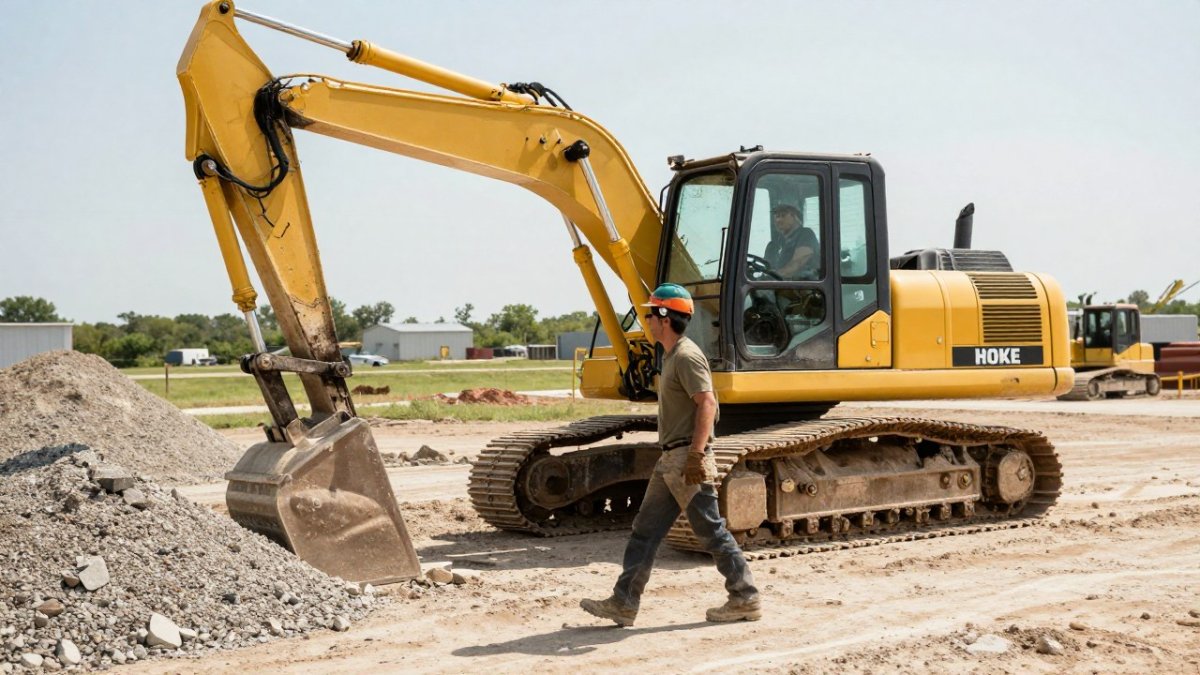
A two-day excavator rental is not a single published number, it is a calculation built from four inputs: the machine's size class, the rate tier you book, any attachments, and delivery distance. Rental yards commonly quote a two-day job as either two daily rates or a weekly rate, whichever is lower, so the first question to ask is whether your two days fall inside a weekly minimum.
Here is how the math generally works for a two-day booking:
- Rate tier: A two-day rental is often billed as 2 × the daily rate. If the weekly rate is less than that total, many yards will apply the weekly rate instead. Ask explicitly: "Is the weekly rate cheaper than two days?"
- Machine size class: Larger excavators generally cost more to rent and to haul than compact machines, so the size class you choose affects the total.
- Attachments: Attachments may be billed as separate line items, so confirm which attachments are included in your quote.
- Delivery and pickup: Transport can be a significant add-on relative to a short rental. The equipment and trailer needed for transport can affect the charge.
A practical way to estimate before you call: ask for the daily rate, the weekly rate, and the delivery charge as separate figures. Multiply the daily rate by two, compare it to the weekly rate, then add delivery both ways and any attachment day-rates. That total is the number you are actually budgeting against, not the headline daily rate.
Watch out: a two-day booking that runs long can convert to a different rate tier, depending on the agreement. Confirm in writing how an overrun is priced before you sign.
If your job is likely to stretch past two working days, ask for the weekly tier up front so you can compare the per-day cost and avoid the overrun question. Current rates for specific machines are best confirmed directly with Hoke Rentals once you have your dates and site address.
Choosing the Right Machine Size for Your Project
Machine size is an important decision that affects both your rental cost and your project timeline, and it is best made on three measurements. Before you call, write down: (1) the maximum digging depth you need, (2) the narrowest gate, fence opening, or driveway the machine must pass through, and (3) the total square footage of the work area. Those three numbers narrow the choice faster than any spec sheet.
A project-specific way to think about it:
- Residential foundation repair or pier work: A compact excavator is often a practical fit for residential sites, as long as it can reach the required depth and pass through the available access.
- Backyard drainage, French drains, and trenching: A mini excavator with a narrow bucket is often a practical choice, and trench width and turning room are key considerations.
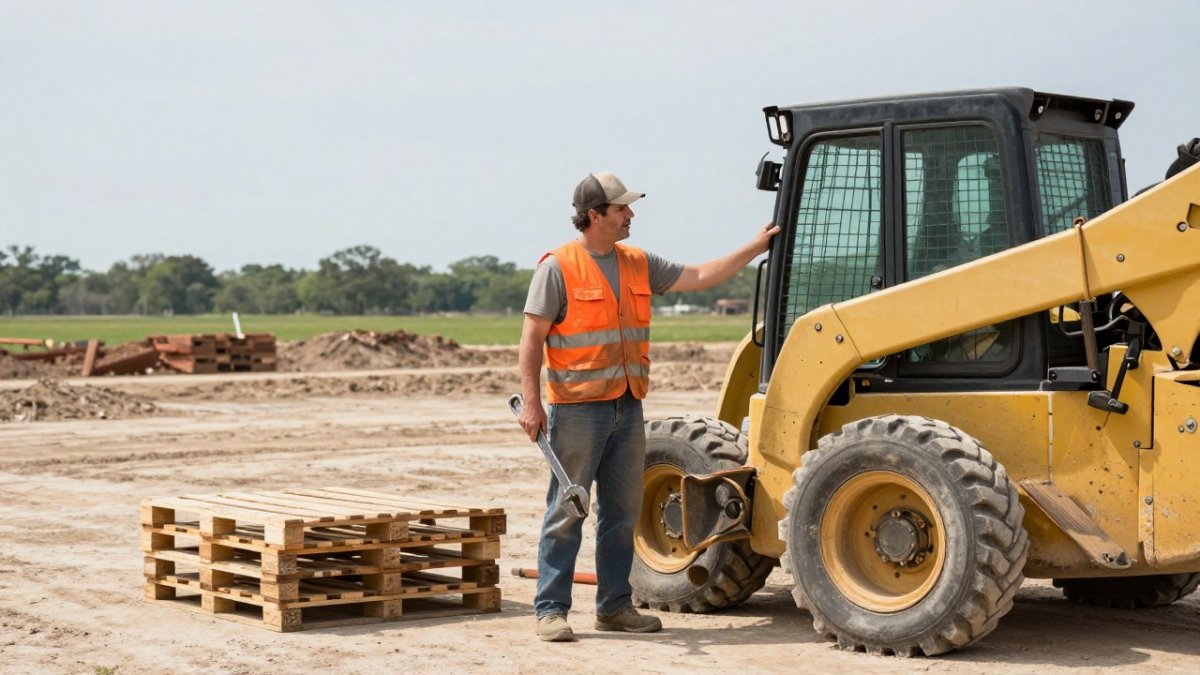
- Site grading and larger foundation work: Full-size machines and skid steers with grading attachments can be practical when the work area is open. Transport and site access often determine whether a larger machine is viable.
- Tight commercial infill lots: Access is the constraint. Measure the drive aisle and overhead clearance (power lines, tree limbs, awnings) before selecting a size class; a machine that fits the work but not the entry is the wrong machine.
A common pattern is that customers sometimes overestimate the size they need or underestimate access constraints. A useful approach is to match the machine to the narrowest point on the site, then confirm it can reach the required depth. If those two requirements conflict, the answer is usually a smaller machine plus more time, not a larger machine that cannot get in.
Watch out: a machine that is too large for the access is not just inconvenient, it can damage fences, driveways, and landscaping, and those repairs are typically the renter's responsibility under the rental agreement. Walk the route from the street to the work area before you book.
If you are unsure, tell us your digging depth, the width of your work area, and any gate or fence restrictions. We can recommend a machine that fits the site rather than the largest one you could use, and our mini excavator rental guide explains how to choose by digging depth, reach, and access.
Daily, Weekly, and Monthly Rental Rates Compared
Equipment rentals are often priced in daily, weekly and monthly tiers. The break-even point depends on how many days you actually use the machine, so consider your expected working days when choosing a tier.
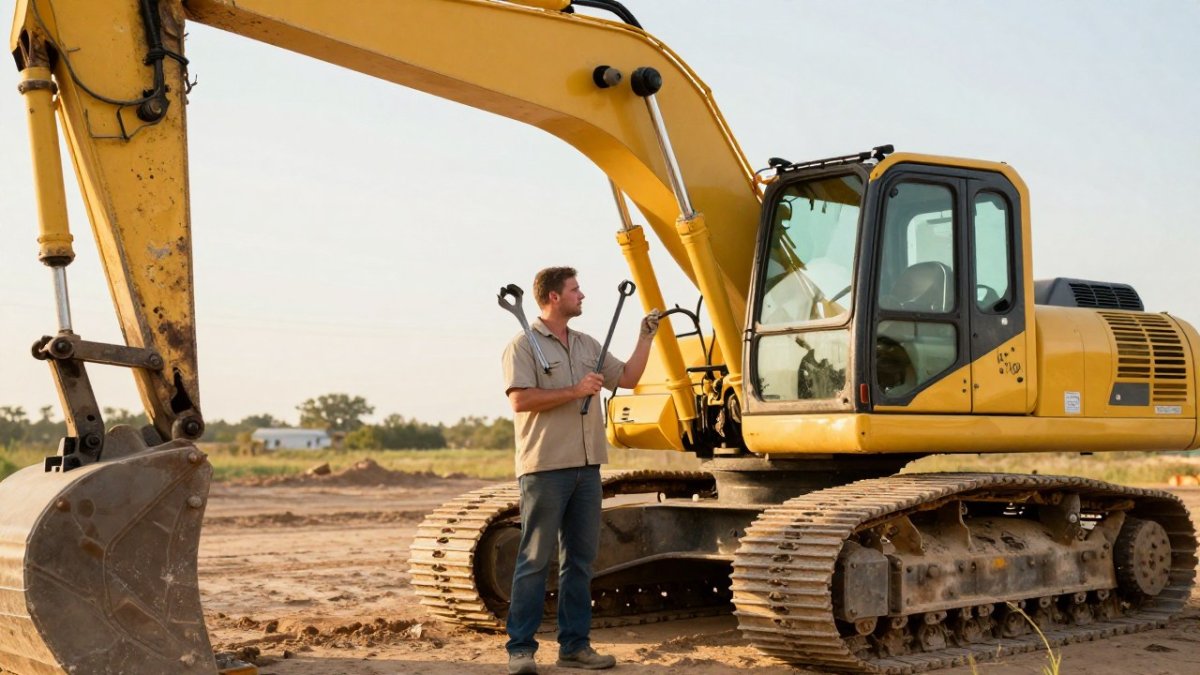
In general, a longer booking spreads the cost across more days, but you still pay for days the machine is not used. Before choosing a tier, list the working days you expect and any idle days, such as weather delays. Our routine maintenance information also matters on longer rentals, since equipment kept out for weeks should be checked on a regular schedule.
For current weekly and monthly rates on a specific machine, contact Hoke Rentals directly for a quote.
The table below sets out the three rental tiers the article describes and what each one is best suited to.
| Tier | Best for | Key difference |
|---|---|---|
| Daily | Short, single-day jobs | Billed per day you use the machine |
| Weekly | Multi-day projects | Spreads cost across more days |
| Monthly | Long-term or repeated use | Pays for idle days too |
Construction Equipment Rental Checklist Before You Sign
Before you sign a rental agreement, check the following:
- Confirm the exact machine, model and attachments listed on the agreement
- Verify the start and return dates, and any late-return fees
- Ask how fuel, hour meters and cleaning are billed
- Check who is responsible for damage and what insurance or damage waiver applies
- Confirm delivery, pickup and any site access requirements
- Ask for a basic walkthrough of controls and safety features
- Photograph the machine's condition at pickup and return
A quick walkthrough at pickup can help prevent disputes. Note any existing scratches or leaks in writing before you leave the yard.
Equipment Rental Delivery and Pickup: Planning the Logistics
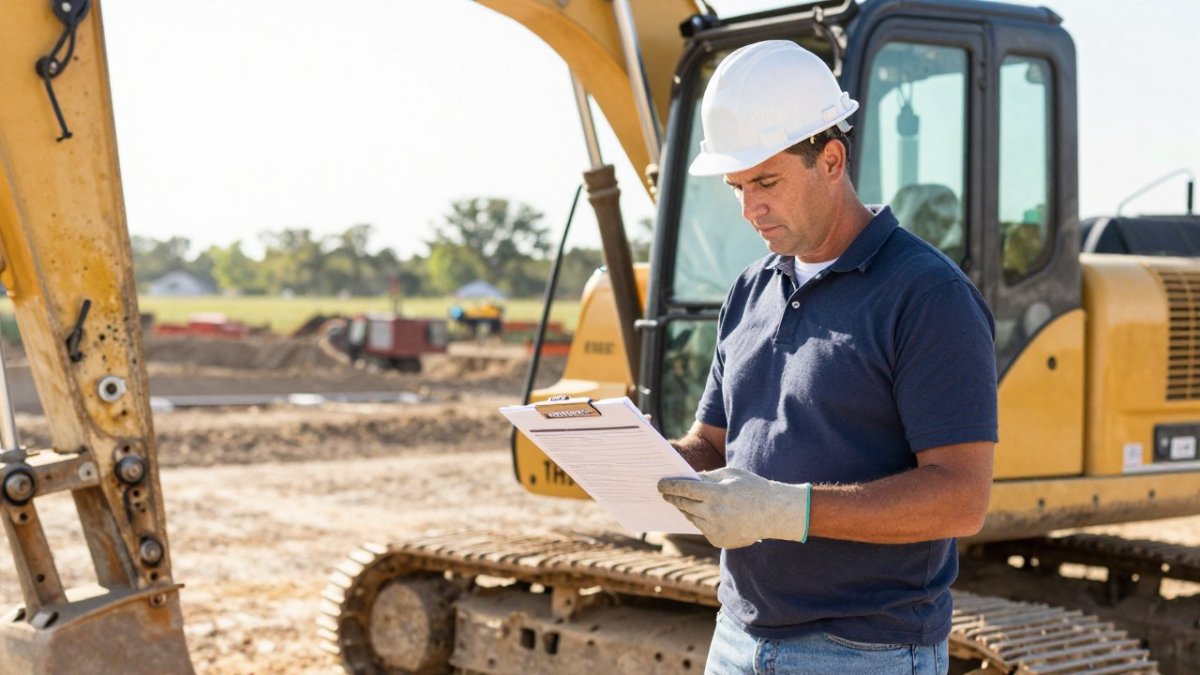
Delivery and pickup are often the most overlooked part of a rental. A machine on a trailer needs a level, accessible spot, and the driver needs room to unload safely. Confirm gate width, overhead clearance and soil conditions before the truck arrives.
If your site is outside our standard service area, tell us early so we can plan the route. Check whether delivery service in Lufkin or delivery service in Huntington covers your location before you book.
Plan pickup as carefully as delivery, and clear the path so the machine can be loaded without delay.
Booking Your Equipment With Hoke Rentals
Hoke Rentals provides well-maintained construction and jobsite equipment for contractors, businesses, property owners and DIY customers across East Texas. We focus on dependable machines, straightforward rental terms and personal service. Contact us to discuss your project and request a quote.
Ready to plan your project? Contact Hoke Rentals today for a quote on the equipment you need.
Frequently Asked Questions
How much does it cost to rent an excavator for two days?
Two-day excavator rental pricing depends on machine size, attachments, delivery distance, and the dates you need the unit. Because Hoke Rentals has not published standard rates here, the most accurate figure comes from a quote. Contact Hoke Rentals with your project details and the number of days needed, and the team can outline what applies to your job. Ask whether fuel, transport, and operator costs are included so you can compare quotes accurately.
What size excavator do I need for my project?
Match the machine to the work. Smaller compact excavators suit trenching for utilities, landscaping, and tight residential lots, while larger units handle bulk excavation and heavy digging. Consider digging depth, reach, weight limits on the site, and whether the area allows a larger machine to access it. If you are unsure, describe the task to the Hoke Rentals team and they can help narrow down the right size.
Is it cheaper to rent construction equipment by the day or by the week?
For short jobs, daily rental usually fits best. For longer projects, weekly or monthly terms often reduce the overall cost per day, though the savings depend on how many days you actually use the equipment. Compare your schedule against the rate structure from Hoke Rentals, and factor in idle days, since paying for a full week when a machine sits unused for three days can erase the discount.
What should I check before renting construction equipment?
Inspect the machine at pickup or delivery for fluid levels, tire or track condition, hydraulic leaks, and working lights and alarms. Confirm the attachments you need are included, review the rental agreement for damage and liability terms, and document the machine's condition with photos. Confirm pickup timing and who is responsible for transport so there are no surprises at the end of the rental period.