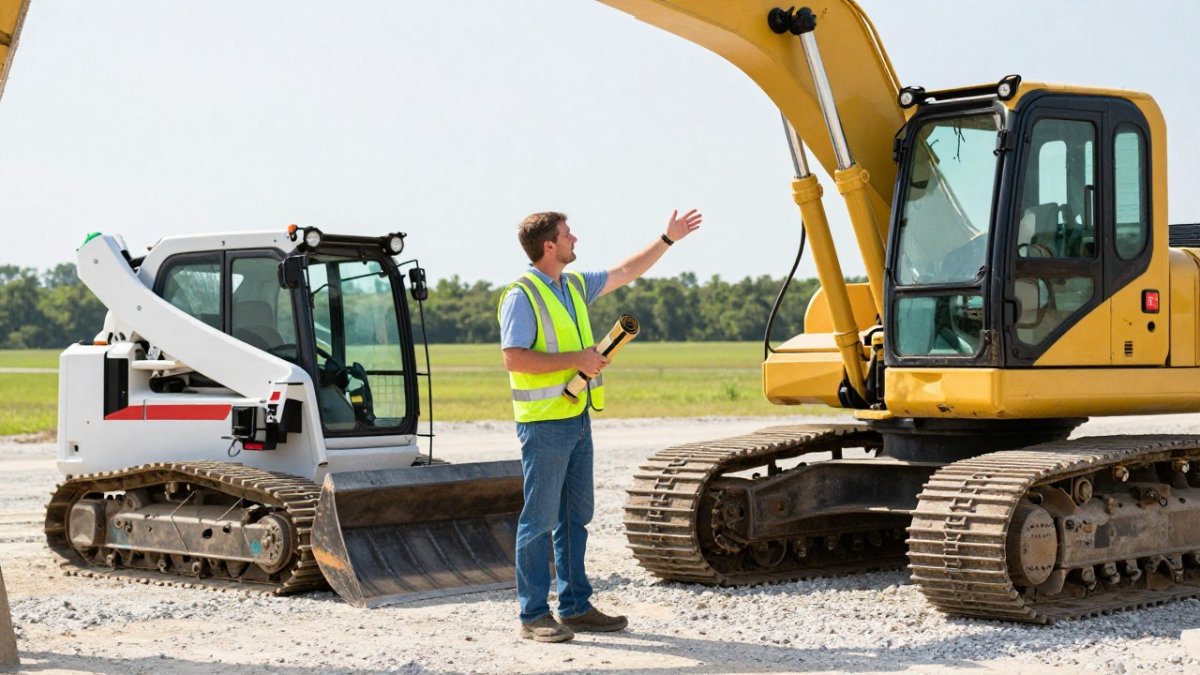
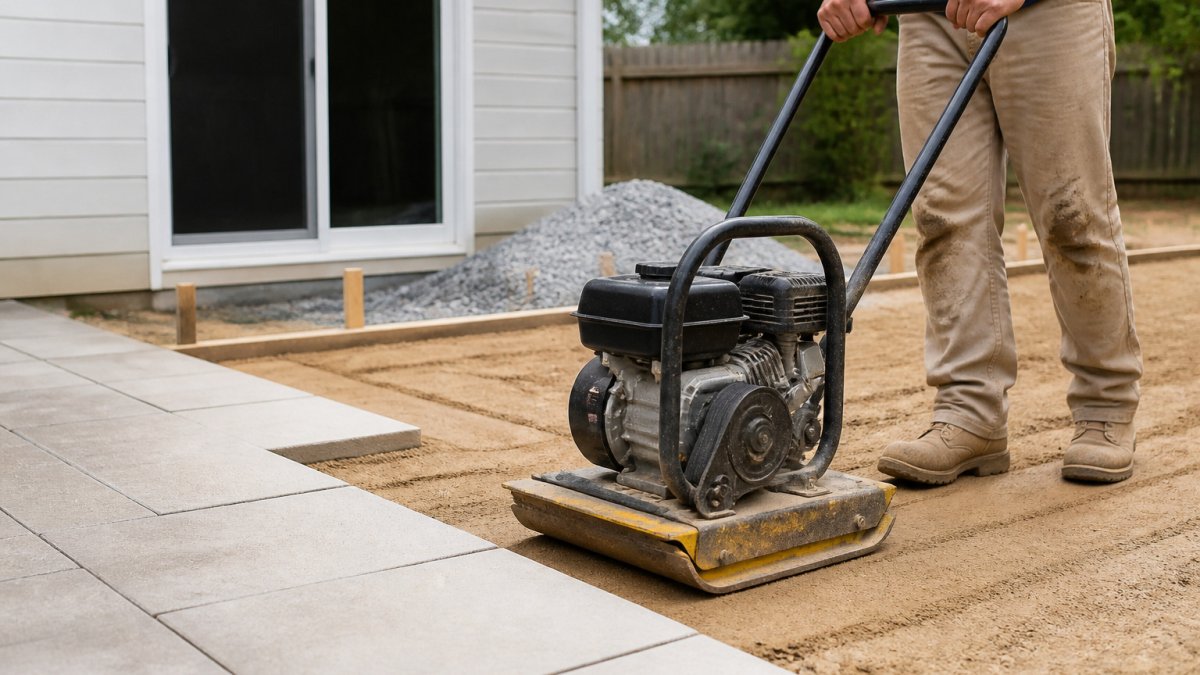
 Ultimate guide
The Contractor's Guide to Equipment Rental Costs in East Texas
Last Updated: November 21, 2026
Quick Summary
Equipment rental costs east in Texas depend on the machine, how long you keep it, how far it travels, and how much risk the rental company carries. The base rate is only one line of the total, which also includes delivery, fees, and any damage or fuel charges settled at return.
- Duration tiers reward longer holds, so a monthly rate costs less per day than a weekend rental.
- Delivery and pickup are usually separate line items priced by round-trip mileage and machine weight.
- Deposits, damage waivers, fuel, cleaning, and late return fees can add to the final invoice.
- Match machine size to site access first, since a narrow gate can rule out a full-size excavator.
- Write down job duration, machine class, attachments, and haul distance before requesting a quote.
Table of Contents
- How Equipment Rental Costs in East Texas Are Built
- Equipment Rental Daily and Weekly Rates Across Machine Categories
- What Excavator Rental Cost Looks Like by Size and Job
- Reading a Mini Excavator Size Chart Before You Reserve
- Construction Equipment Delivery Fees and Logistics in East Texas
- Rental Duration, Deposits, and Insurance: The Costs Beyond the Rate
- Choosing the Right Machine and Rental Window for Your Job
- Requesting a Quote from Hoke Rentals
- Frequently Asked Questions
How Equipment Rental Costs in East Texas Are Built
Equipment rental costs in East Texas generally depend on the machine, how long you keep it, how far it travels, and how much risk the rental company carries.
Equipment rental cost is the total you pay to use a machine for a set period, including the base rate, delivery, fees, and any damage or fuel charges settled at return. The sticker rate is only one line of that total.
The Cost Factors That Move the Number Most
The base rate gets attention but rarely decides the final bill. A machine kept for a month costs less per day than the same machine rented for a weekend, because rental companies price duration in tiers. Distance from the yard matters too: a 40-minute haul each way carries delivery charges a nearby job never sees.
Attachments may be priced as separate line items, so confirm the details when you request a quote.
- Duration tier: daily, weekly, and monthly pricing rewards longer holds
- Haul distance: delivery and pickup scale with miles and machine weight
- Machine class: larger, heavier, or more specialized units carry higher rates
Equipment Rental Daily and Weekly Rates Across Machine Categories
Rental rates are commonly quoted as daily, weekly, and monthly figures. If your job runs several days, ask for the rate structure that fits your schedule.
Machine categories price differently because they do different work. Material handling, lifts and access, and earthmoving each sit in their own band, priced by replacement value, maintenance interval, and damage risk.
The table below gives the rate structure and price drivers for each category.
| Machine Category | Typical Use | Rate Structure | What Drives the Price |
|---|---|---|---|
| Forklifts and material handling | Loading, yard moves, warehouse work | Daily to monthly | Capacity, tire type, mast height |
| Boom lifts and scissor lifts | Overhead work, access at height | Daily to weekly | Platform height, reach, terrain |
| Excavators and mini excavators | Digging, trenching, grading | Daily to monthly | Operating weight, dig depth |
| Skid steers and compact equipment | Tight-space loading, grading | Daily to weekly | Lift capacity, attachment needs |
| Trenchers and specialty tools | Utility runs, drainage | Daily | Dig depth, chain width |
How the Duration Tiers Actually Break Down
Duration tiers vary by machine and provider, so compare the daily, weekly, and monthly quotes for your job length before you book.
Run the math before you reserve by comparing the total cost of each duration option.
Watch out: the duration structure may differ by category. Confirm the tier structure for your machine before you assume a multi-day job will price down.
What Moves the Rate Within a Category
Two machines in the same category can quote differently depending on factors such as attachments and specifications. Confirm the details for the specific machine you need when requesting a quote.
Seasonal demand can affect availability, so booking ahead is generally a good idea.
A Practical Way to Budget Before You Call
Write down four numbers before you request a quote: job duration in days, machine class, attachment list, and round-trip haul distance. Those inputs let the rental company price the tier, delivery, and add-ons in one pass. A machine name alone gets you a headline rate that does not reflect the invoice.
For a job that spans a weekend plus a Monday, ask whether the weekend counts against the weekly tier or is priced separately. Policies differ, and the answer can swing the total on a short hold.
What Excavator Rental Cost Looks Like by Size and Job
Excavator rental cost tracks machine size more closely than any other factor. A mini excavator in the 1- to 3-ton class handles backyard drainage, trenching, and small grading.
The job decides the class, not the other way around. Digging a French drain across a residential lot needs reach and a narrow footprint, not raw power. Clearing and grading an acre of rural property needs capacity and speed.
Matching Machine Size to the Work
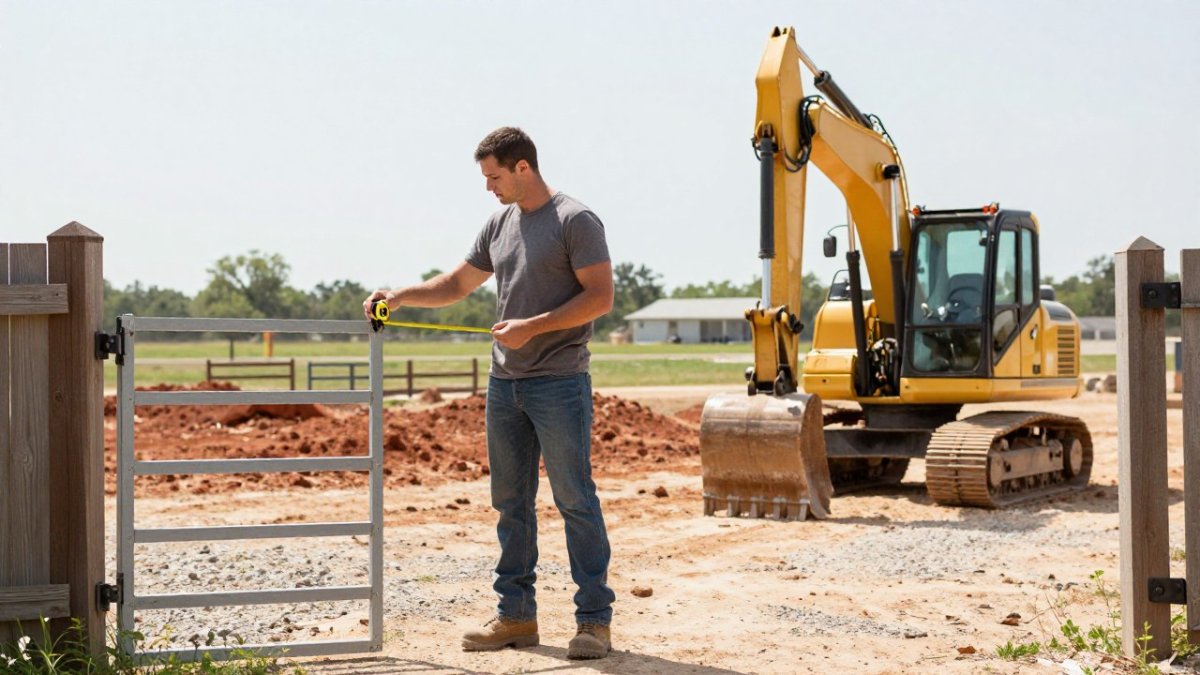
Match the machine to the access first, then to the production rate. If a gate is 36 inches wide, a full-size excavator never reaches the work no matter how good the rate looks. If the haul road is soft, a heavier machine may need matting or a different approach.
- Backyard drainage and tight trenching: mini excavator, 1-3 tons
- Footings, small site prep, landscaping: mid-size excavator, 5-8 tons
- Production digging and heavy earthmoving: full-size excavator
Reading a Mini Excavator Size Chart Before You Reserve
A mini excavator size chart maps operating weight against dig depth, reach, and bucket capacity, and it is the fastest way to avoid reserving the wrong machine.
Read three numbers on the chart: maximum dig depth, maximum reach at ground level, and bucket width. Your trench depth sets the first. Where you can pile spoil sets the second. If you are applying size-chart guidance to a real drainage job, our guide to choosing a mini excavator for backyard drainage walks through the match step by step.
Construction Equipment Delivery Fees and Logistics in East Texas
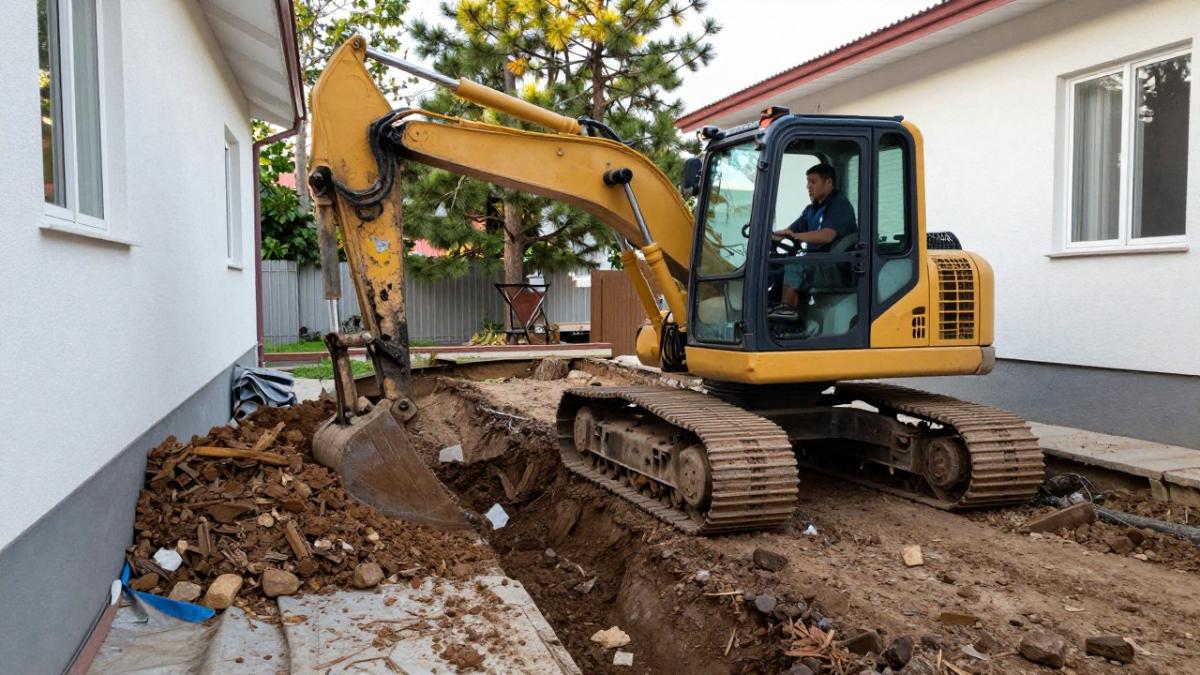
Construction equipment delivery fees depend on round-trip mileage, machine weight, and whether the trailer needs special handling. Most rental yards charge delivery and pickup as separate line items, so ask for both numbers before you compare quotes.
Delivery is priced as a transport job, not a courtesy. The rental company covers a truck, a trailer rated for the machine's weight, fuel, driver time, and the risk of a damaged or delayed drop.
How Delivery Is Priced
The common pattern is a mileage-based charge with a minimum, plus a weight or trailer-class adjustment. A yard may quote a flat rate inside a local radius and a per-mile charge beyond it.
Ask for the delivery and pickup lines separately, then ask what radius the quoted rate covers. A quote that bundles delivery into a single number hides the one line you can actually reduce by changing the job site layout or the machine class.
Access Conditions That Change the Drop
Rural properties with long gravel drives, soft ground after rain, and low tree limbs all affect how a machine gets dropped.
Four access details decide whether a drop goes smoothly:
- Gate and drive width: a trailer needs room to turn and back; a narrow gate can force a carry or a smaller machine
- Ground bearing: soft ground after rain can strand a loaded truck, so ask whether the driver can drop at the road and let the machine track in
- Overhead clearance: low limbs and power drops limit where a boom or excavator can be set down
Watch out: a machine dropped at the road and tracked in is a common solution, but tracked machines damage finished surfaces and lawns. Confirm the route before the truck leaves the yard, because a second trip is a second delivery charge.
Lead Times and Scheduling
Heavy equipment moving between counties also adds transit time to the schedule. If your project sits at the edge of a service area, confirm coverage before you factor delivery into the budget. You can check whether your location falls inside the areas we serve before you build the delivery line into your estimate.
Lead times vary by machine size and transport requirements, so contact us to confirm availability and scheduling for your job.
Reducing the Delivery Line
Matching the machine class to the site access and consolidating equipment into fewer delivery runs can help control delivery costs.
For small jobs with compact machines, ask whether a self-haul option is available, keeping in mind the transport and trailer responsibilities that come with it.
Rental Duration, Deposits, and Insurance: The Costs Beyond the Rate
Deposits, insurance, fuel, and cleaning fees turn a clean quote into a bigger invoice. Rental terms such as deposits, insurance, and damage waivers vary, so confirm the specifics with us when you request a quote.
Fuel and cleaning policies can add to the final invoice, so ask about them before you rent.
- Security deposit: refundable, held against damage or late return
- Damage waiver or insurance: optional, priced by machine value
- Fuel: full-to-full or a refueling fee at return
Practical questions about deposits, insurance, and rental terms come up on nearly every booking, and our frequently asked questions page covers the ones we hear most.
Choosing the Right Machine and Rental Window for Your Job
Machine selection and rental window are the two decisions that control your total, and they are linked. Pick the right machine and the job finishes inside the window you paid for. Pick wrong and you either pay for days you did not need or extend the rental at a worse rate.
Start with the work, not the machine. Write down the trench depth, lift height, load weight, or area to be cleared, then match capacity to that number with a margin, because a machine running at its limit all day is slower and harder on the operator.
Watch out: reserving by price alone can lead to choosing a machine that lacks the capacity or attachments the job needs.
Requesting a Quote from Hoke Rentals
A rental quote is only useful when it lists the machine, the duration tier, delivery and pickup, and every fee in one place.
Here is how to get an accurate number:
- Describe the job: depth, height, load, or area
- State the access: gate width, ground conditions, drive length
- Give your dates and expected duration
- Ask for delivery and pickup as separate lines
- Confirm the deposit, insurance, and fuel policy in writing
You can browse the equipment rentals we keep on the yard to see what fits your job, then contact us with the details above for pricing and availability.
Preparation helps keep a rental quote aligned with your budget. Describe the job accurately and ask for every fee up front.
Frequently Asked Questions
What size mini excavator should I get for my project?
Start with the digging depth and width the job requires. A 1.5-ton class machine typically digs around 7 to 8 feet deep and fits through a 4-foot gate, which suits most residential utility and landscaping work. Larger 3- to 5-ton units dig deeper and lift more but need wider access and heavier transport. Check the mini excavator size chart, confirm the trench depth and spoil placement, then reserve the smallest machine that covers the job with a little margin.
How much does it cost to rent an excavator for two days?
Excavator rental cost depends on the machine class, the attachments you need, and how far the job site sits from the yard. Pricing depends on quantity, dates, and delivery, so contact Hoke Rentals or visit our website for current prices or a quote. Request a written quote with the machine size, bucket or breaker, and haul distance spelled out so the total is clear before you commit.
Is it cheaper to rent equipment by the day, week, or month?
The longer the term, the lower the effective daily cost. Rental duration affects the effective daily cost, so compare daily, weekly, and monthly quotes for your schedule. For multi-week site work, ask about monthly pricing and whether a long-term rate applies. Match the rental duration to the actual work schedule, not the project calendar, to avoid paying for idle days.
What fees should I expect beyond the daily rate?
Delivery and pickup are the largest add-ons, and they scale with machine weight and distance. Fees can vary, so ask for the full fee schedule in writing before you rent. Ask for the full fee schedule in writing, confirm whether delivery is included in the quoted rate, and clarify who pays for fuel on return.
Does equipment rental include delivery and pickup?
Confirm with Hoke Rentals whether delivery and pickup are included in your quote. Construction equipment delivery fees in East Texas vary by distance from the branch and by whether the machine needs a tag trailer or a heavier haul. Confirm what the quote covers and whether a return trip fee applies.
What affects equipment rental rates the most?
Machine type, rental duration, and attachment needs can all affect the quote. Contact us for pricing specific to your job. Delivery distance, insurance requirements, and operator certification add cost. A compact machine with standard bucket costs far less than a large excavator with a breaker, so define the work before comparing quotes.
What size mini excavator do I need to lift 2,000 pounds?
Lifting capacity drops as you reach further from the machine, so check the load chart for the specific model you are considering. If the lift is at extension or on uneven ground, size up. Share the load weight and lift radius with the rental desk and they can match the machine.