 How-to
7 Steps to Safe First-Time Equipment Rental Operation
Quick Summary
Equipment rental means paying a daily, weekly or monthly fee to use a machine you don't own. Before booking, first-time renters should define the job, timeline, site conditions and their honest experience level, then ask the provider about rates, deposits, damage waivers and late fees in writing.
- Be honest about your experience, since an oversized machine is harder to control.
- Request a hands-on demonstration of the machine before it leaves the lot.
- Spend five to ten minutes cycling controls in an open, level area before working.
- Complete a walk-around inspection before every use, not just at pickup.
- Photograph damage and note the unit number before calling the provider after a fault.
Table of Contents
- First-Time Equipment Rental Operation: 7 Steps to Get It Right
- What First-Time Renters Should Know Before Booking Equipment
- Questions to Ask Before Renting Construction Equipment
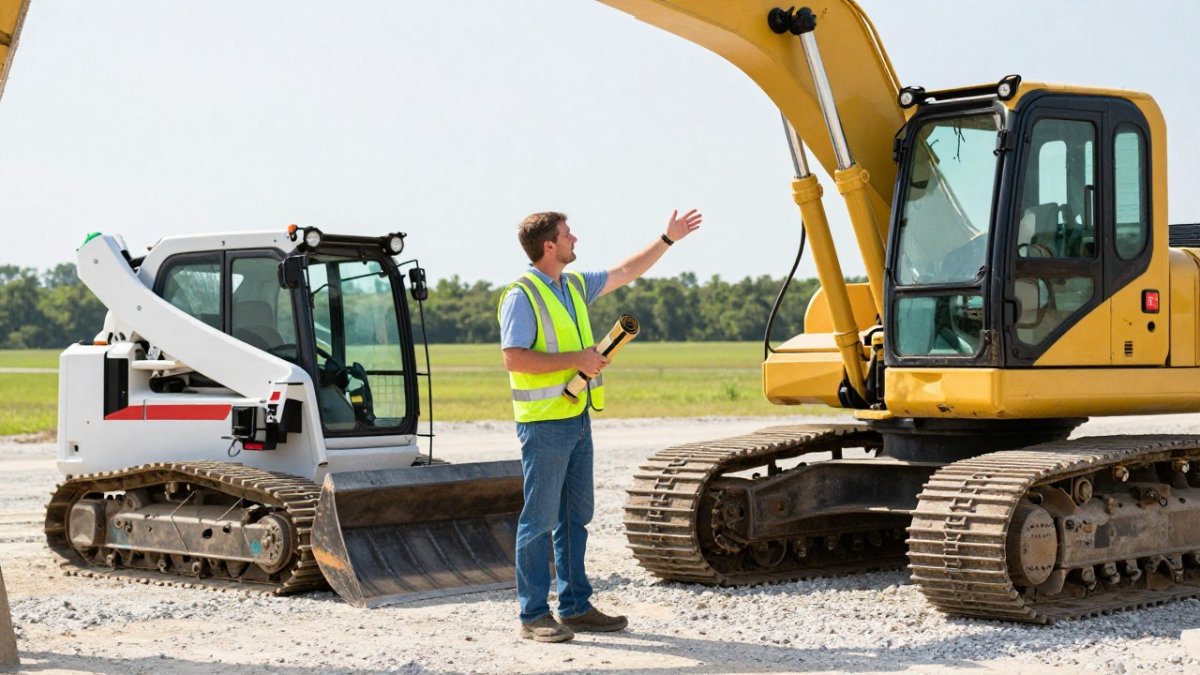
- Choosing the Right Equipment for Your Jobsite
- First-Time Equipment Rental Checklist and Rental Requirements
- Equipment Rental Safety Tips and Operator Readiness
- Equipment Rental Pickup and Return Checklist
- Booking Your First Rental with Hoke Rentals
- Frequently Asked Questions
First-Time Equipment Rental Operation: 7 Steps to Get It Right
Last Updated: November 14, 2026
What First-Time Renters Should Know Before Booking Equipment
Renting equipment for the first time can feel like a big step. Renting equipment for the first time can raise a few common questions: what to rent, what it costs, and what you need to know to run it safely. This guide walks you through the process.
Equipment rental means paying a daily, weekly or monthly fee to use a machine you don't own. It's usually the right choice for a short job, a one-time project, or a machine you can't justify buying.
Before you book, get clear on a few basics:
- The job: What will you dig, lift, haul or move?
- The timeline: How many days will you actually use the machine?
- The site: Is the ground soft, sloped or tight for access?
- Your experience: Have you run this type of machine before?
Be honest about that last point. A machine that's too big or too complex for your experience causes more problems than a slightly smaller one you can handle well.
Questions to Ask Before Renting Construction Equipment
Before you sign anything, ask the rental company these questions:
- What is the daily rate, and what is the weekly rate?
- What deposit do you require, and how is it refunded?
- What does the damage waiver cover, and what does it not cover?
- Are there late-return fees, and when do they start?
- Do you deliver, or do I pick up? What do transport costs look like?
- What documents do I need to bring?
- Can I see the machine before I pay?
- What should I do if the machine breaks down during my rental?
Get the answers in writing. A clear rental agreement protects you as much as the company.
Choosing the Right Equipment for Your Jobsite
The right machine depends on the job and the site. Match the equipment to these factors:
- Size of the job: Small backyard work needs a compact machine. Large grading needs a bigger one.
- Ground conditions: Soft or wet ground may need tracks or wider tires.
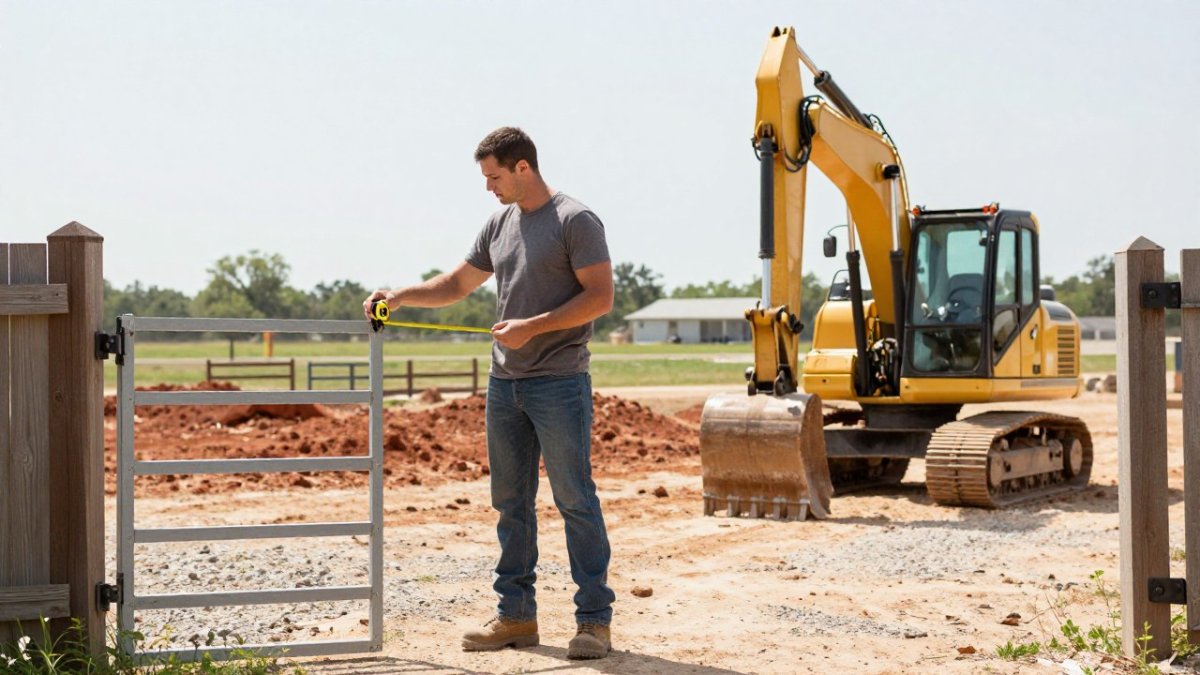
- Site access: Check gate widths, overhead clearance and whether a truck can reach the spot.
- Load requirements: Know the weight the machine must lift or carry.
For example, a mini excavator often suits a backyard drainage project better than a full-size excavator. It fits through a standard gate and causes less damage to the lawn. For guidance on choosing one, read our guide on mini excavator rental for backyard drainage.
Ask the rental team to help you match the machine to your jobsite. Many first-time renters pick a machine that's too large because it seems safer. Oversized equipment is harder to control in tight spaces.
First-Time Equipment Rental Checklist and Rental Requirements
Most rental companies ask for the same basic items. Gather these before you visit:
- Government-issued photo ID, such as a driver's license
- A major credit card for the deposit
- Proof of insurance, if your rental agreement requires it
- Your rental period and pickup or delivery plan
- A list of the job's requirements (size, load, site access)
Rental rates and payment: Pricing depends on the machine, the rental length, the season and whether delivery is included. Hidden fees often come from late returns, fuel, cleaning and damage. Ask for a total cost estimate before you commit. For current prices and a quote, contact Hoke Rentals directly.
Plan your rental duration carefully. Overlong rentals add up, and short ones can cause a rushed job. Build in a buffer day for weather or delays.
Equipment Rental Safety Tips and Operator Readiness
Safety starts before the engine turns on, and for a first-time operator it starts with an honest self-assessment. A common risk for first-time operators is running a class of machine they have never used before. Before you book, rate your experience on a simple three-level scale: never operated anything similar, operated a similar machine but not this model, or operated this exact model recently. Tell the rental team your honest level. That single conversation changes what they recommend, what they demonstrate, and what they write into the agreement.
Request a hands-on demonstration. Ask the rental provider for a walkthrough of the machine before it leaves the lot. A useful demonstration covers the location and function of every control, the emergency stop and parking brake, the safe start-up and shutdown sequence, and the machine's load and reach limits.
Practice before you work. Once on site, spend five to ten minutes in an open, level area cycling the controls: raise and lower the attachment, swing or steer through a full range, test the travel speed, and confirm the emergency stop works. Only then move toward the work area. If any control feels unfamiliar or the machine responds differently than the demonstration suggested, stop and call the provider before continuing.
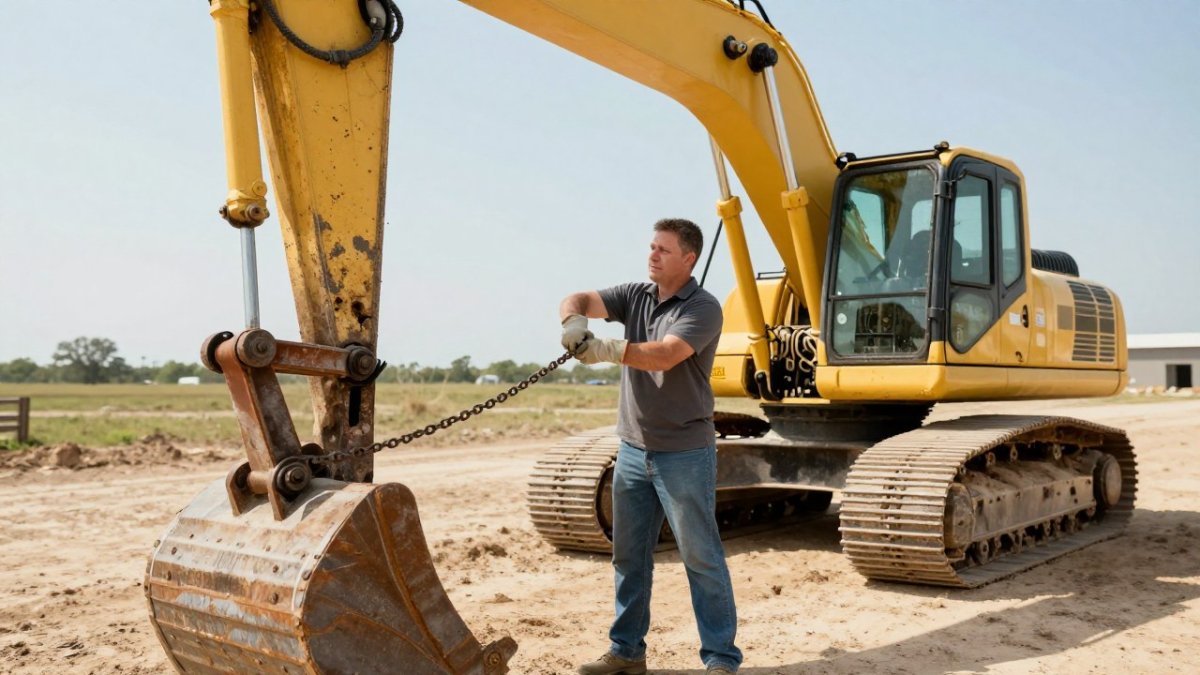
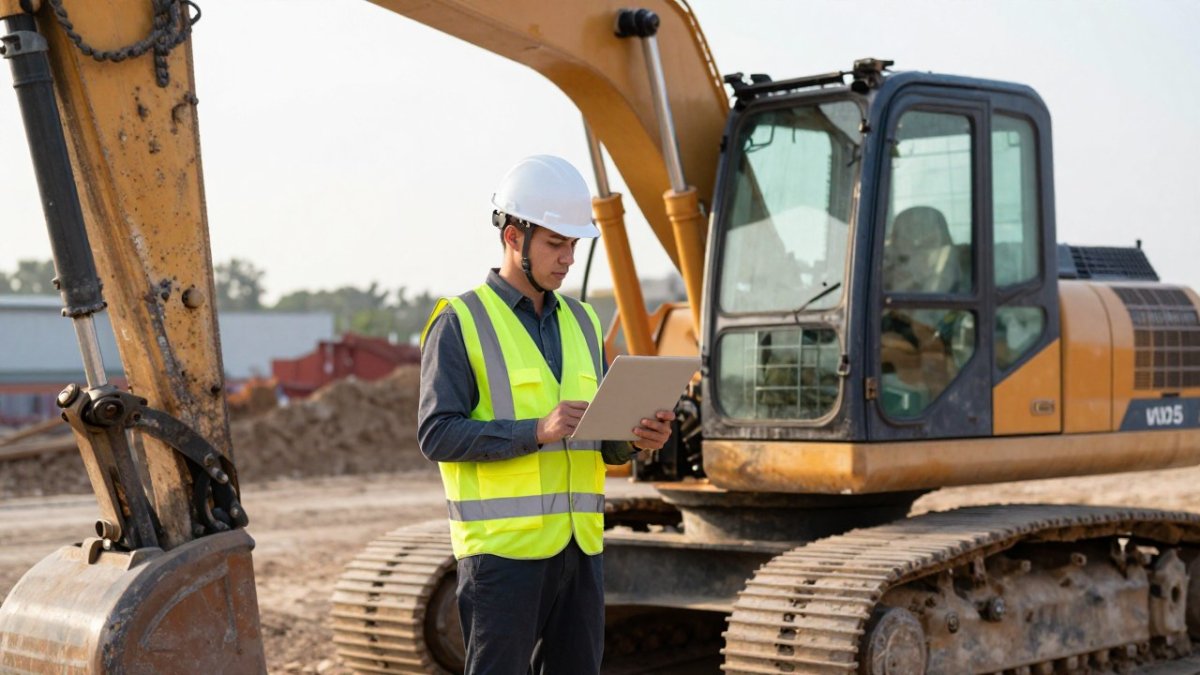
Walk-around inspection every time. Do a full inspection before each use, not just at pickup:
- Tires or tracks for wear, cuts and damage
- Fluid leaks under the machine
- Working lights, horn and alarms
- Safety labels that are readable and in place
- Bucket, attachments and hoses for damage
- Guardrails, seat belt and ROPS/FOPS structures intact
!A new operator in a hard hat and high-visibility vest doing a walk-around inspection of a compact excavator at a job site in the early morning
Common mistakes to avoid:
- Skipping the inspection because the machine looks fine
- Operating without reading the operator manual
- Working too close to edges, trenches or overhead lines
- Wearing loose clothing or skipping personal protective equipment
- Letting a bystander stand inside the swing radius to 'help spot'
Watch out: Never operate a machine you haven't been shown how to run. Ask the rental provider for a hands-on walkthrough before you leave the lot.
Wear a hard hat, safety glasses, gloves and steel-toed boots. Keep bystanders well outside the machine's swing radius, and establish a hand-signal or radio protocol if a spotter is needed.
When Equipment Fails or an Incident Occurs
A first-time operator needs a stop-work plan before the first bucket of dirt moves. If the machine stalls, throws a warning light, leaks fluid, or behaves unpredictably, stop work immediately, lower the attachment to the ground, set the parking brake, shut down if it is safe to do so, and keep bystanders clear. Do not attempt repairs yourself unless the rental agreement explicitly authorizes it.
Document the situation before you call: photograph the warning light or damage, note the time and what the machine was doing, and write down the machine's unit number. Then call the provider's contact number from your rental agreement and ask how they will respond. If the failure caused injury or property damage, secure the area, call 911 for medical emergencies, and notify the provider the same day. Keep every receipt and photo, most damage disputes are resolved by documentation, not memory.
Accessibility and Language Needs
If English is not your first language, or if you need larger-print controls, translated manuals, or extra training time, ask before you sign. Ask the provider whether translated manuals, a bilingual walkthrough, or a longer demonstration are available before pickup. State your need when you request the quote so the provider can match you with the right machine and the right person to walk you through it.
The article lists a few key safety numbers and checks that first-time operators should keep in mind.
| Safety step | What to do | Timing |
|---|---|---|
| Hands-on demonstration | Ask for a walkthrough of controls, emergency stop and load limits | Before the machine leaves the lot |
| Practice cycling controls | Test attachment, swing, travel and emergency stop | Five to ten minutes, open level area |
| Walk-around inspection | Check tires or tracks, leaks, lights, labels and guardrails | Before each use |
| Stop-work response | Lower attachment, set parking brake, keep bystanders clear | Immediately when a fault occurs |
| Incident documentation | Photograph damage, note time and unit number | Before calling the provider |
| Bystander clearance | Keep people outside the machine's swing radius | Throughout operation |
Equipment Rental Pickup and Return Checklist
At pickup:
- Inspect the equipment and note any existing damage in writing
- Confirm fuel level and how to refuel
- Get the operator manual and key contact numbers
- Take photos of the machine's condition
At return:
- Clean off mud, debris and grease
- Refuel to the level stated in your agreement
- Return the machine on time to avoid late fees
- Get a signed return receipt confirming condition
Returning equipment clean and on time keeps your deposit safe and your final bill accurate.
Booking Your First Rental with Hoke Rentals
Hoke Rentals provides equipment rentals for contractors, property owners and DIY customers across East Texas. You can browse the full selection on our equipment rentals page and check the range of services we offer before you book.
Have questions about rental terms before you call? Our FAQs page answers many common ones. When you're ready to book, contact the Hoke Rentals team to start your rental request and get a quote for your job.
BUTTON: Book Your Equipment Rental CARD_TITLE: Ready to rent your first machine? CARD_TEXT: Hoke Rentals provides well-maintained jobsite equipment across East Texas.
Frequently Asked Questions
How much does it cost to rent an excavator for two days?
Rental cost depends on the machine class, the dates booked, delivery distance, fuel terms, and any damage waiver or insurance requirements, so no single price applies to every job. Your total is usually a daily or multi-day rate plus delivery and transport charges, and sometimes a refundable deposit. For current rates and a quote on a two-day excavator rental, contact Hoke Rentals directly through its website. Ask for the full breakdown, including delivery, fuel, late-return terms, and what the deposit covers, before you commit.
Do I need a license to rent equipment?
Most equipment rental companies do not require a special license to rent general construction tools, but many require a valid government-issued photo ID, a major credit card or deposit, and proof of age, typically 21 or older for heavy equipment. Some machines, such as cranes or certain trucks, may require a commercial driver's license or operator certification. Confirm the requirements for your specific machine when you reserve, and ask whether the rental includes operator training or a demonstration before you run it.
What safety checks should I perform before operating rented equipment?
Before you start a rented machine, walk around it and check for visible damage, fluid leaks, worn tires or tracks, and intact safety labels and guards. Confirm fuel, fluid levels, and that controls, lights, horn, and backup alarms work. Review the operating manual or ask the rental provider for a short demonstration. Wear appropriate personal protective equipment, and identify site hazards such as overhead lines, underground utilities, and ground conditions before you begin.
How should I prepare equipment for return after a rental?
Return the equipment on or before the agreed time to avoid late-return fees. Clean off mud, debris, and concrete, refuel to the level specified in your agreement, and report any damage or incidents immediately rather than hiding them. Take photos of the machine's condition at return, get a signed return receipt, and keep a copy for your records. Confirm the pickup or drop-off logistics in advance so the return is not delayed.